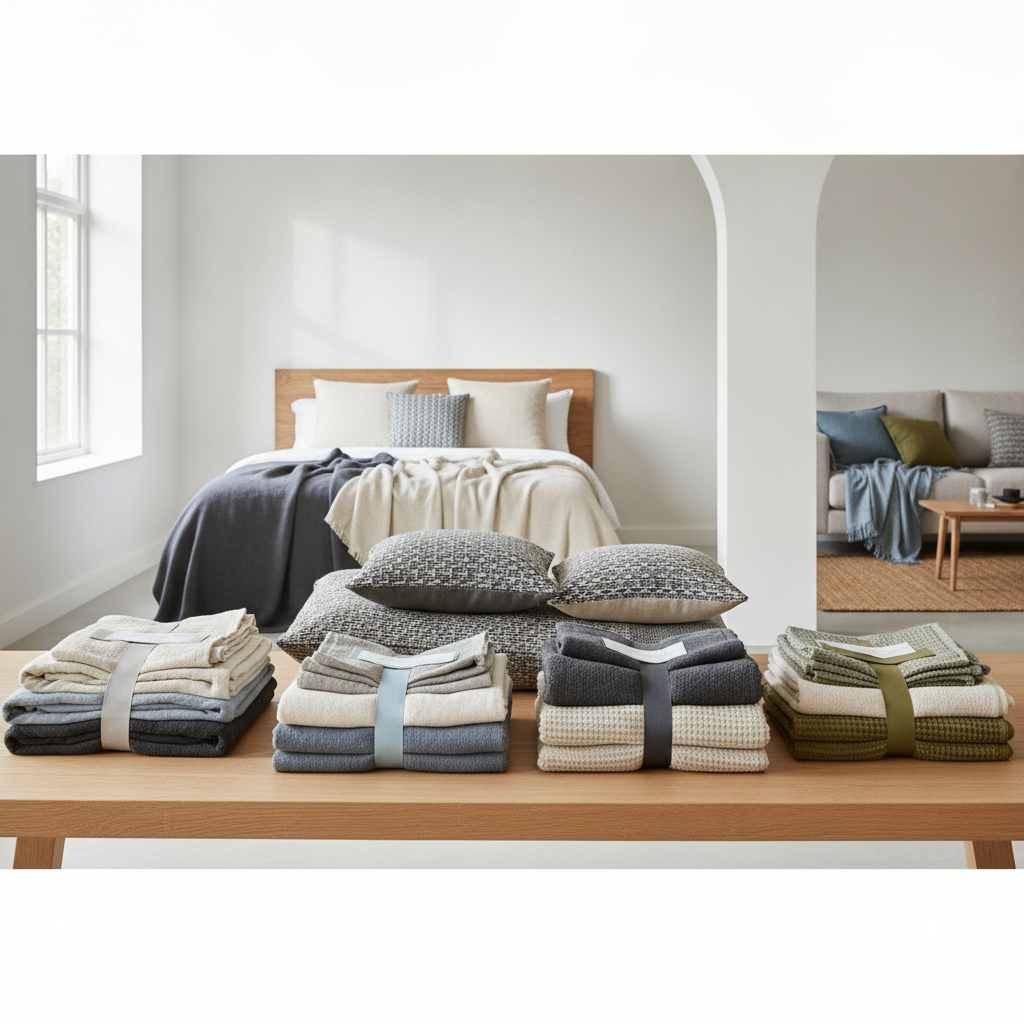
A well-dressed room and a cluttered one often differ by just a few too many pillows. Home textiles — bedding, throws, curtains, rugs, and cushions — accumulate quietly, purchased one impulse buy at a time, until a space feels busy rather than considered. The capsule approach, borrowed from wardrobe thinking, applies the same principle to your home: fewer, better pieces that work together across rooms and seasons.
If your linen closet is stuffed with mismatched sets you rarely reach for, or your living room has three throws that somehow clash with each other, this framework is worth trying. It's not about minimalism for its own sake. It's about buying with intention so you stop wasting money and start loving what you have.
Audit What You Already Own Before Buying Anything
The capsule method begins not in a store but in your own home. Pull every textile out — every duvet cover, bath towel, curtain panel, and decorative pillow — and lay it flat. Look for patterns, colors, and conditions. What's worn out? What never gets used? What genuinely works together? Most people discover they own far more than they realized, along with several items that don't belong anywhere in particular. Brands like Pottery Barn and IKEA are common culprits for impulse purchases that looked great on a website but read as noise in an actual room. This audit is your foundation.
Choose a Narrow Color Palette and Stick to It
A capsule textile system lives or dies by color discipline. Pick two to three neutrals and one or two accent tones that appear consistently across your home. Warm whites, soft linens, and a single earthier shade — terracotta, sage, or slate — tend to travel well between rooms and seasons. When you limit your palette this way, a throw blanket bought for the bedroom can move to the sofa without visual conflict. It also makes shopping much easier: if something doesn't fit the palette, you don't buy it, no matter how attractive it looks in isolation.
Define a Textile Role for Each Room
Not every room needs the same types of textiles. A bedroom capsule might focus on quality bedding, a single window treatment, and one or two layering pieces. A living room capsule revolves around a rug anchor, two to three cushions, and one throw. Bathrooms need towels and a bath mat — full stop. When you define the role of textiles in each space before shopping, you stop buying duplicates that serve no clear function. Think of it as giving each room a brief: what does it actually need to feel finished, comfortable, and visually coherent?
Invest in a Few Quality Anchor Pieces
Every capsule needs anchor pieces — textiles substantial enough in scale or quality to hold the room together. A good rug does more decorative work than a dozen cushions. A well-chosen duvet cover from a brand like Parachute or Brooklinen sets the tone for the entire bedroom without needing much backup. Curtains that reach floor length and hang properly transform a window in ways no amount of decorative layering can compensate for. Spending more on these anchors and less on the accents is the central trade-off of the capsule model, and it almost always pays off visually and financially over time.
Build in Seasonal Swaps Without Expanding Your Total Count
A smart capsule isn't completely static. One practical approach is a two-season textile rotation: a lighter set for warmer months and a warmer layering set for cooler months. The rule is that you swap, not add. When the heavier throw comes out, the lightweight one gets stored. Brands like Coyuchi offer certified organic options that hold up to this kind of repeated use across years. Keeping your total count the same while rotating prevents the creep where seasonal buying slowly doubles your textile inventory without you noticing. A vacuum storage bag and a single labeled bin per room is all the infrastructure this system needs.
Use Texture to Add Depth Without Adding More Color
One of the most effective ways to keep a capsule feeling rich rather than sparse is through texture variation within your existing palette. A linen cushion, a cotton-knit throw, and a wool rug can all exist in the same warm cream tone and still create visual interest because their surfaces behave differently in light. This approach lets you resist the urge to buy more pieces in new colors just to break up monotony. Instead of a third pillow in a different shade, consider a second pillow in the same shade but a different weave. The room gains depth without gaining clutter.
Set a Replace-Don't-Add Rule for Future Purchases
The capsule system only holds if you commit to a simple rule going forward: when something new comes in, something old goes out. If you find a new cushion cover at a HomeGoods clearance rack that genuinely fits your palette, it earns its place by replacing one that's worn or no longer working. This one rule prevents the gradual drift that undoes most good intentions around home buying. It also changes how you shop — you start evaluating new pieces against what you already have rather than in isolation, which almost always leads to fewer, better decisions.
Reassess Once a Year, Not Every Season
A capsule needs occasional maintenance, but not constant attention. Scheduling one honest reassessment per year — perhaps when you're doing a general home refresh — keeps things calibrated without becoming a project. Ask what's worn out and needs replacing, what's stopped being used, and whether your palette still reflects how you want the space to feel. This annual check prevents both stagnation and overcorrection. Small adjustments made deliberately once a year tend to keep a home feeling fresh far more effectively than reactive shopping every time a new trend surfaces.
Building a textile capsule doesn't happen in a single afternoon, and it doesn't require replacing everything at once. Start with the audit, choose your palette, and let the rest follow gradually. The goal is a home that feels considered rather than accumulated — and the first step toward that is simply knowing what you already have.