Winter utility bills have a way of climbing higher than they should, and most of the time, the culprit isn't the cold itself — it's the small, overlooked maintenance tasks that slowly chip away at your home's efficiency. You're paying to heat a comfortable space, but without realizing it, you may be losing a significant portion of that warmth through gaps, filters, and systems that haven't been touched in months. The good news is that catching these things early in the season makes a real difference in what you pay by the time March rolls around.
Dirty HVAC Filters and What They Actually Cost You
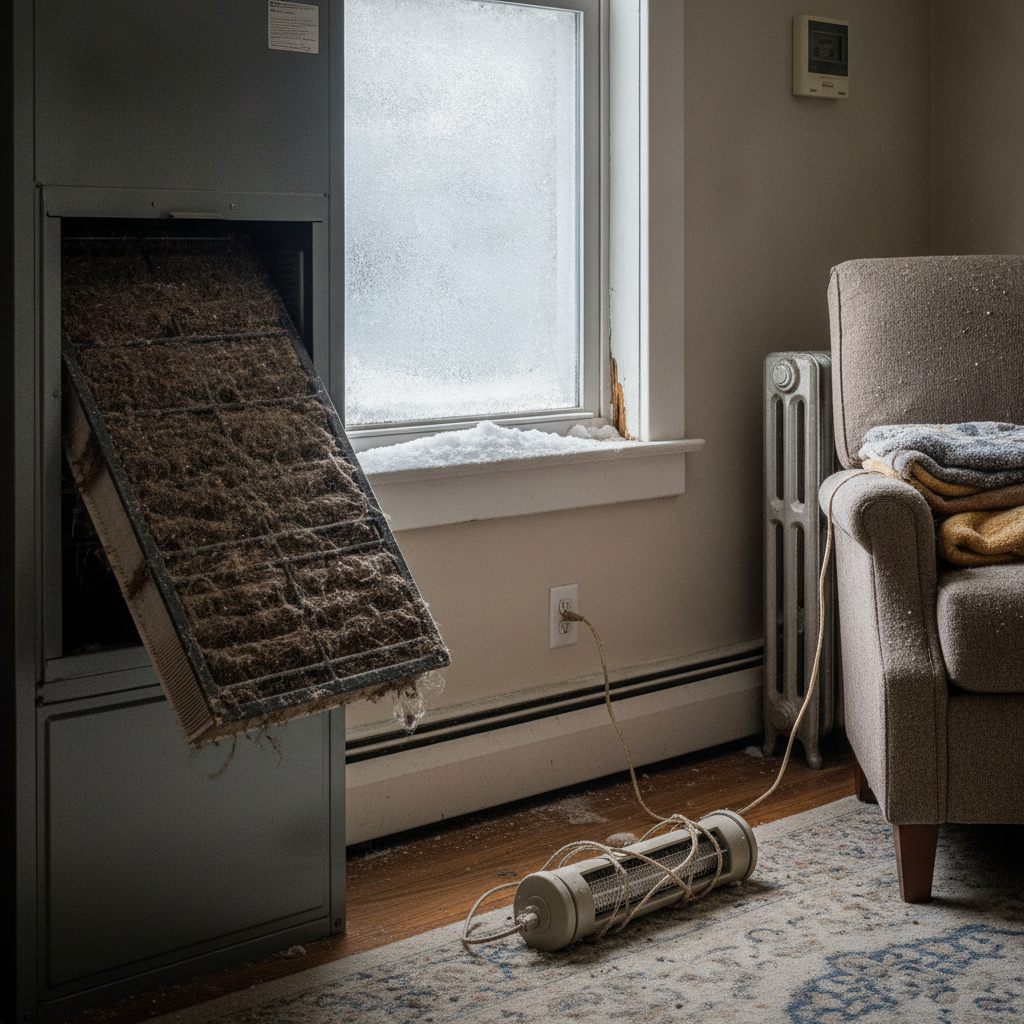
A clogged furnace filter is one of the most common reasons heating systems work harder than they need to. When airflow is restricted, your system runs longer cycles to reach the same temperature — and that extra runtime shows up directly on your bill. Most manufacturers recommend replacing standard filters every one to three months, but during heavy winter use, monthly checks are smarter. If you use a smart home system like Google Nest or Ecobee, both platforms can track runtime and send alerts when something seems off, which makes it easier to catch problems before they compound.
Unsealed Drafts Around Doors and Windows
Weatherstripping is easy to forget because it degrades slowly and invisibly. Over time, the foam or rubber seals around your exterior doors and window frames compress, crack, or peel away — leaving gaps that let cold air seep in and warm air leak out. Running your hand along the edges of a closed door on a windy day is a simple test. If you feel airflow, you're losing heat. A tube of DAP weatherstrip foam or a roll of V-seal weatherstripping from a hardware store costs a few dollars and can be applied in under an hour without any special tools.
Neglected Water Heater Settings and Sediment Buildup
Your water heater works harder in winter because incoming water from the main line arrives much colder than it does in summer months. If the tank hasn't been drained and flushed in the past year, sediment builds up at the bottom and forces the heating element to work against an insulating layer of mineral deposits. Setting the temperature to 120 degrees Fahrenheit is generally the sweet spot — hot enough for comfort, low enough to avoid unnecessary energy use. Flushing the tank once a season is a fifteen-minute job that most homeowners skip entirely.
Blocked or Closed Vents in Unused Rooms
Closing vents in rooms you're not using might seem like a logical way to redirect heat, but it actually creates pressure imbalances that strain your duct system and can reduce overall efficiency. What does help is making sure every open vent is clear of furniture, rugs, or stored items. A couch placed six inches over a floor register can cut airflow substantially, causing your system to compensate without you realizing it. Walk through each room early in the season and check that every vent is unobstructed and fully open in the rooms you use regularly.
Chimney Dampers Left Open After Summer
If you have a fireplace you haven't used since last winter, there's a real chance the damper was left open. An open chimney damper is essentially a hole in your ceiling — warm air flows straight out, and cold air drafts down. Before your first fire of the season, check that the damper closes fully and creates a tight seal. If you don't plan to use the fireplace at all, a chimney balloon (an inflatable plug available on Amazon for under thirty dollars) is an inexpensive way to seal the flue completely without affecting the structure.
Thermostat Schedules That Never Got Updated
Many households set a thermostat schedule in the fall and forget about it entirely. But your patterns change throughout winter — school schedules shift, people work from home more, or the household routine simply evolves. Reviewing your thermostat schedule in January and again in February takes about ten minutes and ensures you're not heating an empty house during the day or overcooling at night. Apps like Nest and Ecobee let you adjust schedules remotely and review energy history, which gives you a clear picture of where your consumption actually spikes.
Outdoor Hose Bibs and Pipe Vulnerability
Forgetting to disconnect outdoor hoses and shut off exterior water lines before a freeze is a mistake that can escalate quickly. Water left in a hose connected to an outdoor spigot can back up and freeze inside the wall, causing pipes to crack or burst. Most homes built in the last few decades have frost-free hose bibs, but they only work correctly when the hose is fully disconnected. Disconnecting hoses, draining the bib, and shutting off the interior valve to outdoor lines is a ten-minute task that protects against a potentially expensive repair.
Small maintenance oversights accumulate quietly over a season, and by the time you notice them in your utility bills, you've already paid for them. Checking your filters, sealing drafts, flushing your water heater, and reviewing your thermostat schedule are all straightforward tasks that take minimal time but deliver consistent savings. Approaching winter home maintenance as a seasonal checklist — rather than a reactive repair project — is one of the most practical ways to keep your home running efficiently and your monthly costs predictable.