There is a quiet calculation that seasoned city travelers make before they ever board a flight — not about airfare, not about restaurants, but about where they will actually spend their idle hours. A hotel room, stripped of context, is just a place to sleep. But a hotel with a rooftop terrace or a thoughtfully designed common lounge is something closer to a social infrastructure, and it changes the financial and emotional texture of an entire trip in ways that rarely appear in any booking comparison tool.
The Economics of Ambient Space
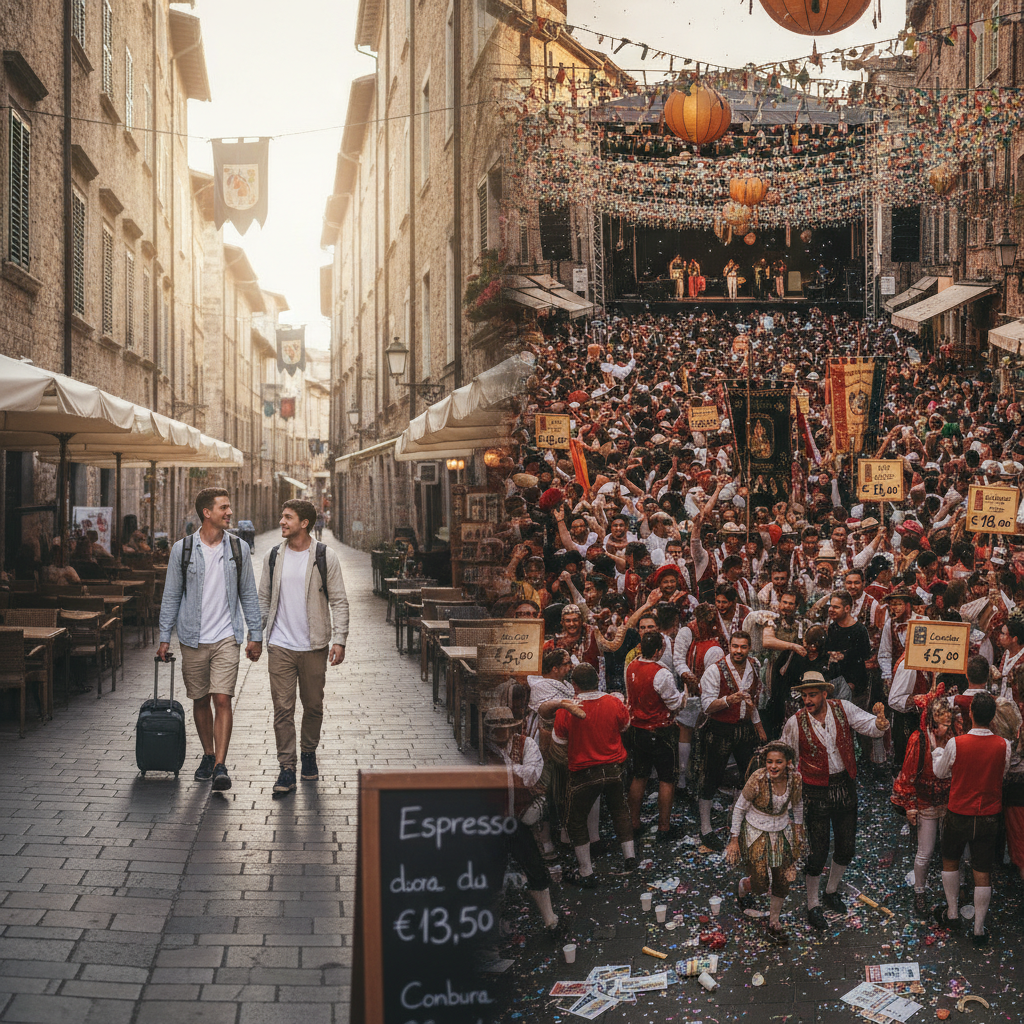
When travelers book accommodation without considering shared social spaces, they often underestimate how much of their entertainment budget gets quietly absorbed by the city itself. A cocktail at a rooftop bar outside the hotel carries a premium that rarely feels optional when the alternative is sitting alone in a 12-square-meter room. Multiply that by three or four evenings, and the cost of not having an appealing communal space becomes visible. Hotels with well-designed lounges — places like the citizenM properties in Amsterdam or New York, or budget-boutique concepts such as Generator Hostels — have effectively recognized that the lobby is a product in itself. Guests who have a comfortable, social space on-site are far less likely to spend restlessly, filling time with expensive outings simply because they have nowhere comfortable to return to.
The concept borrows from what urban designers call the *third place* — a term coined by sociologist Ray Oldenburg to describe social environments that exist outside of home and work. Coffee shops, public squares, and hotel common areas all serve this function. When travelers find a genuine third place inside their accommodation, the city's expensive entertainment options lose some of their gravitational pull. The math is not dramatic on any single evening, but across a four- or five-day city break, it compounds.
How Rooftop Access Replaces Paid Experiences
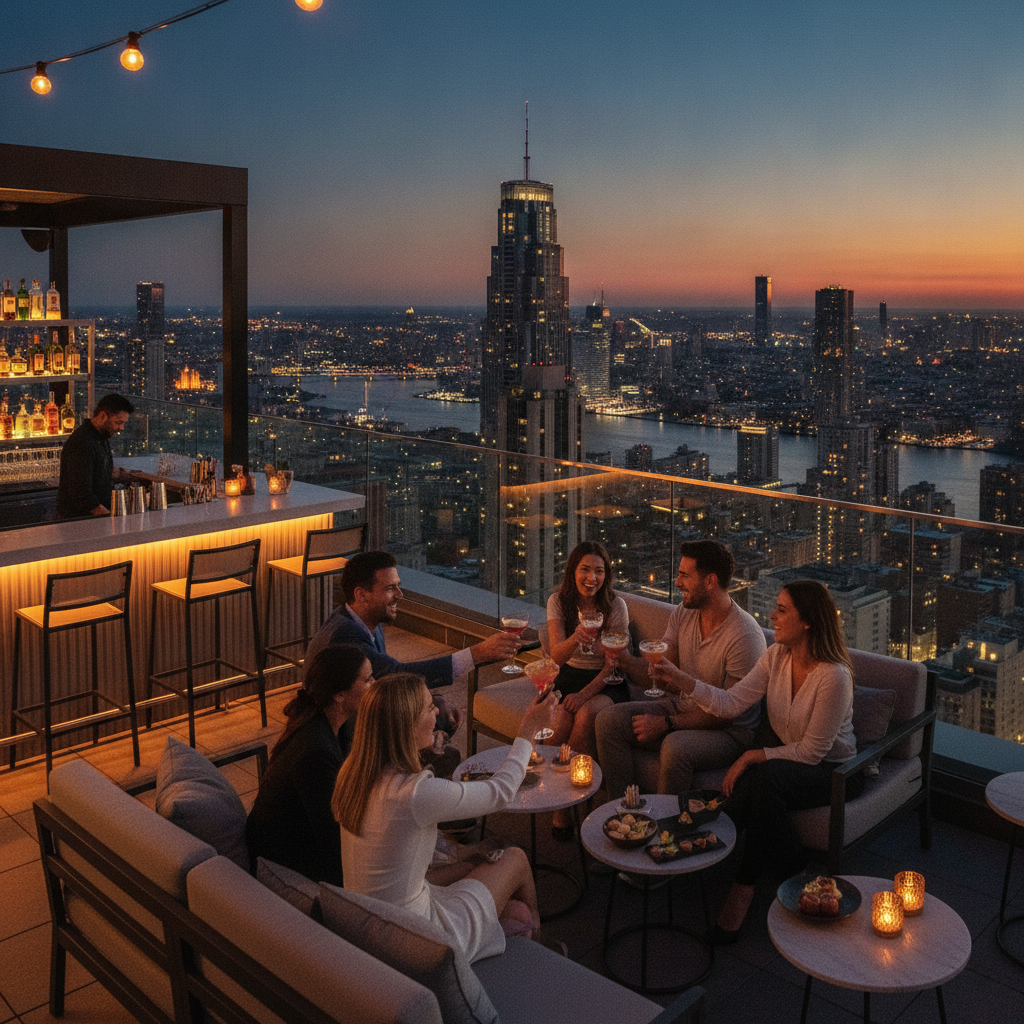
A rooftop terrace with a city view is, at its core, a free experience — or more precisely, one whose cost is already bundled into the room rate. Viewed from that angle, it competes directly with ticketed observation decks, sky bars, and rooftop restaurant seatings that populate every major city's tourist offerings. In cities like Lisbon, Barcelona, or Istanbul, where panoramic views are among the most marketed experiences, paying separately for an observation platform can represent a meaningful single-day expense. Travelers staying in hotels with accessible rooftop terraces — whether a full bar setup or simply a communal deck with seating — often find themselves skipping those external experiences without feeling like they've missed anything. The view from the Barrio Alto district in Lisbon or the Karaköy neighborhood in Istanbul doesn't require a ticket if the hotel already offers it from above.
This is not merely about avoiding one expense. It is about recalibrating the entire rhythm of the trip. When a rooftop becomes the default place to decompress at the end of the day, travelers tend to spend less time drifting through expensive tourist districts out of boredom, and more time making intentional choices about where to go and why.
The Social Dividend of Shared Lounges
Common lounges carry a different kind of value — less visual, more social. Solo travelers and couples alike often find that a well-used hotel lounge generates the kind of organic conversation that guidebooks cannot provide. Fellow guests who have just returned from a neighborhood market or a lesser-known gallery tend to share information freely in a relaxed common space, and that informal intelligence often redirects travelers toward cheaper, more authentic experiences than the ones algorithmically surfaced by major travel platforms. A recommendation passed over shared seating at a hotel in the Trastevere neighborhood of Rome or the Kreuzberg district of Berlin is qualitatively different from a five-star review on a booking site — it is recent, specific, and socially situated.
This dynamic also reduces the social spending that often accompanies urban loneliness. Travelers who feel disconnected from their surroundings frequently seek stimulation through consumption — a bar, a show, a guided tour — when what they actually want is connection. A hotel lounge that functions as a genuine gathering place addresses that need without charging separately for it.
Rethinking the True Cost of a Room Rate
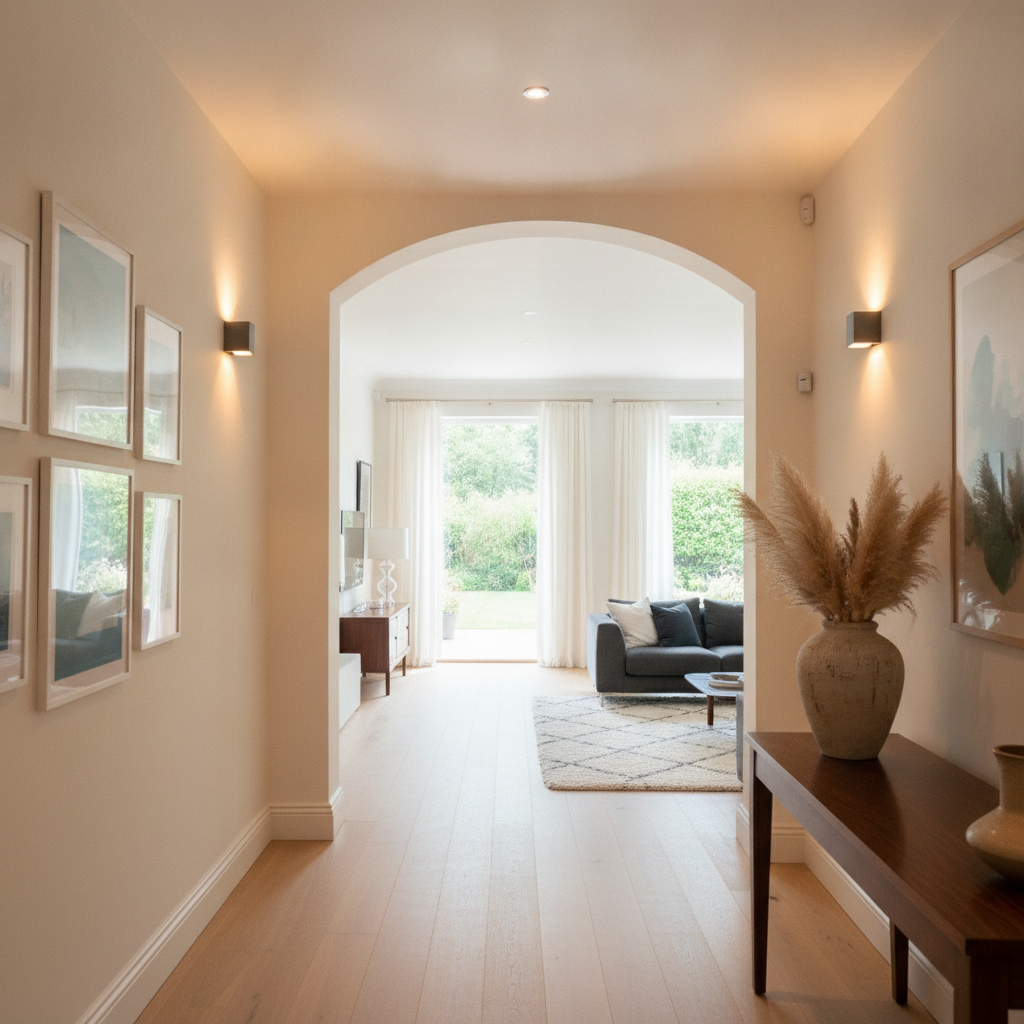
The instinct to compare hotel prices by nightly rate alone is understandable but incomplete. A room that costs slightly more per night but includes a rooftop terrace, a communal kitchen, free evening wine hours — a feature offered by boutique properties in cities from Porto to Prague — or a lounge with complimentary coffee service can easily generate savings across the trip that outpace the rate difference. This is particularly true in cities where the cost of food and beverages outside the hotel is high relative to the accommodation market, a pattern common in Scandinavian capitals and parts of Western Europe.
For you, the traveler building a city trip on a real but limited budget, the question worth asking before confirming any booking is not simply what the room looks like, but what the hotel gives you to do when you're not actively sightseeing. The hours between dinner and sleep, between the morning coffee and the first metro ride, between arrival and orientation — these are the hours that get filled one way or another. The question is whether they get filled cheaply or expensively.
The traveler who opens the curtains of a $180-a-night room with nothing but a bed and a minibar faces a very different trip than the one who steps onto a shared rooftop and watches the city settle into evening. Both have paid for accommodation. Only one has also paid — quietly, invisibly — for the entertainment that follows.