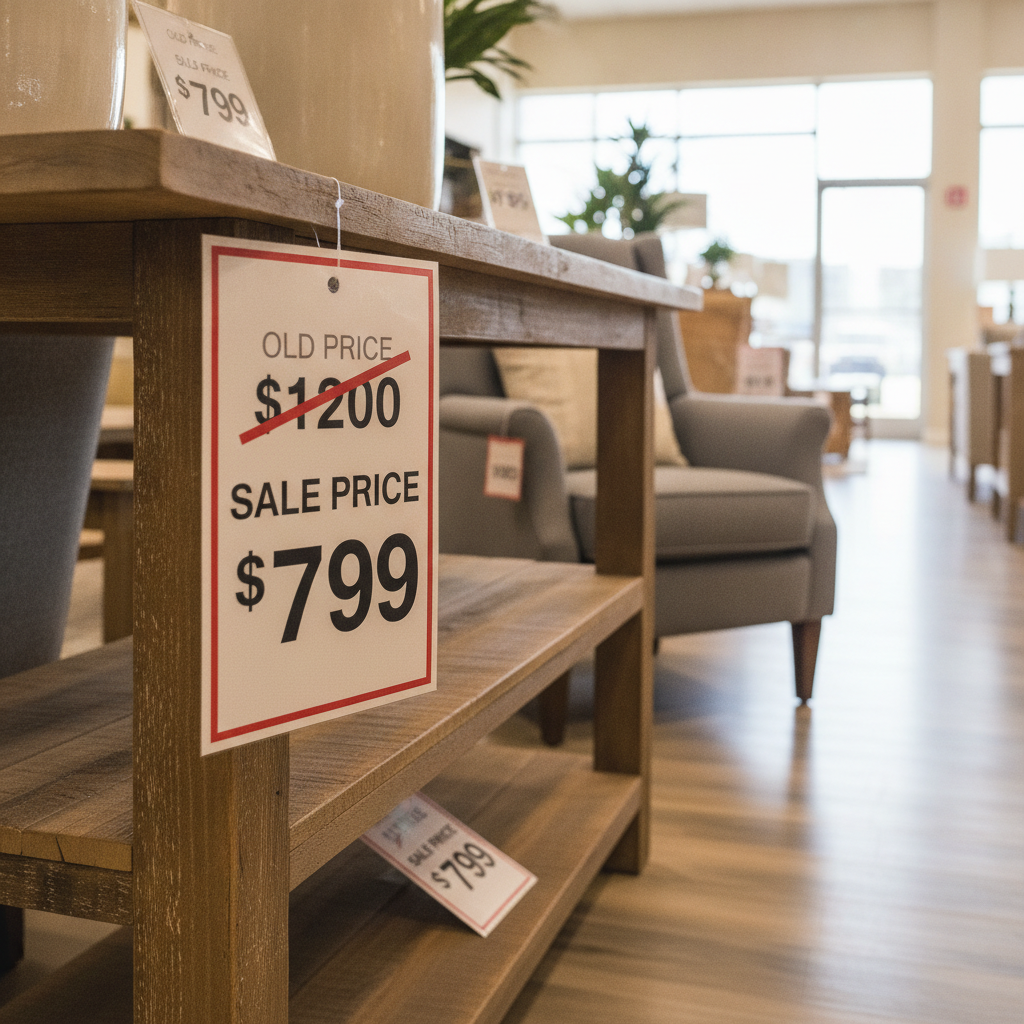
Retail pricing is rarely as straightforward as it appears on the tag. Across department stores, big-box retailers, and e-commerce platforms alike, a quiet but powerful psychological technique shapes how shoppers perceive value before they've even touched the product. It's called anchor pricing, and understanding how it works is one of the most useful things a consumer can know before stepping into a store or opening a shopping app.
What Is Anchor Pricing and Where Does It Come From?
Anchor pricing is a strategy rooted in behavioral economics, built on the observation that people don't evaluate prices in isolation — they evaluate them relative to a reference point. When a display tag shows a large "original" price crossed out beside a smaller "sale" price, the original figure becomes the anchor. The brain registers the sale price not on its own merits, but as a discount from that anchor. Retailers at chains like Macy's, Kohl's, and Bed Bath & Beyond have used versions of this technique for decades, and its effectiveness hasn't diminished with time.
How the "Original Price" Is Often Set in the First Place
One of the less examined aspects of anchor pricing is how that original figure is determined. In many cases, a product is briefly sold at the higher price — sometimes for just a short window — before being moved to a permanent or semi-permanent markdown. This satisfies legal standards in most jurisdictions for what can be called a "was" or "regular" price, but it doesn't mean the product was ever meaningfully sold at that figure in significant volume. In other cases, manufacturers provide a suggested retail price that no major retailer ever actually charges, yet it serves as the anchor on the tag.
Why the Percentage Off Number Is Particularly Persuasive
Displaying a percentage — "Save 40%" or "60% off" — adds another layer to the anchor effect. Shoppers tend to respond more strongly to relative savings than to absolute ones, which is why a tag reading "Was $80, Now $48" often feels more compelling than simply seeing a price of $48 with no context. The percentage framing makes the discount feel substantial and earned, even when the actual dollar difference is modest. Fast-fashion retailers like H&M and Zara have long understood that percentage callouts drive conversion more reliably than flat pricing, and their floor displays reflect that understanding consistently.
How Display Design Amplifies the Psychological Effect
Anchor pricing doesn't operate in isolation — it's supported by deliberate visual design choices. The original price is typically printed larger than might be expected before being crossed out with a bold red line, drawing the eye directly to the contrast. The sale price appears below it in a different color, often red or orange, which retail psychology associates with urgency and value. Shelf tags, hanging signs, and digital banners on platforms like Amazon all use similar visual hierarchies. The physical layout of the display is engineered to make the eye move from high to low, from crossed-out to circled, from what it was to what it is — in that exact order.
When the Deal Is Genuine and When It Isn't
Not every anchored price is misleading. Seasonal clearance events, end-of-line markdowns at retailers like Target or Nordstrom Rack, and genuine overstock sales do produce real reductions from prices that products were actually sold at for a sustained period. The distinction worth making is between a markdown that reflects a true price reduction and an anchor that was set artificially high from the start. One useful check is tracking a product's price history using tools like CamelCamelCamel for Amazon listings, which shows whether the "original" price was a real selling price or a reference figure that rarely, if ever, held.
What You Can Do Before the Tag Convinces You
The most effective protection against anchor pricing is a simple shift in how you frame the decision. Instead of asking "how much am I saving?", ask whether you'd consider the sale price good value if you'd never seen the original figure at all. Before buying, check the same product at two or three other retailers to establish what the market actually charges. For larger purchases, give yourself a 24-hour window between seeing the tag and completing the transaction — anchoring effects weaken significantly when time and distance separate the decision from the display. Price-tracking browser extensions like Honey or Keepa can automate some of this comparison work, removing the friction that often stops shoppers from checking. When you evaluate a deal on its own terms rather than against a manufacturer-suggested anchor, the calculus of whether it's worth buying becomes considerably clearer.
Anchor pricing is a deeply embedded feature of retail environments, not an occasional tactic used by a handful of bad actors. It works because it exploits a genuine quirk of human cognition — the tendency to use the first number encountered as a baseline for everything that follows. Recognizing the mechanism doesn't eliminate its pull entirely, but it does create enough awareness to slow down the instinctive feeling that a crossed-out number means a genuine bargain. The most reliable measure of a good deal is always what the item is worth to you at the price on the tag, independent of whatever figure appeared above it.