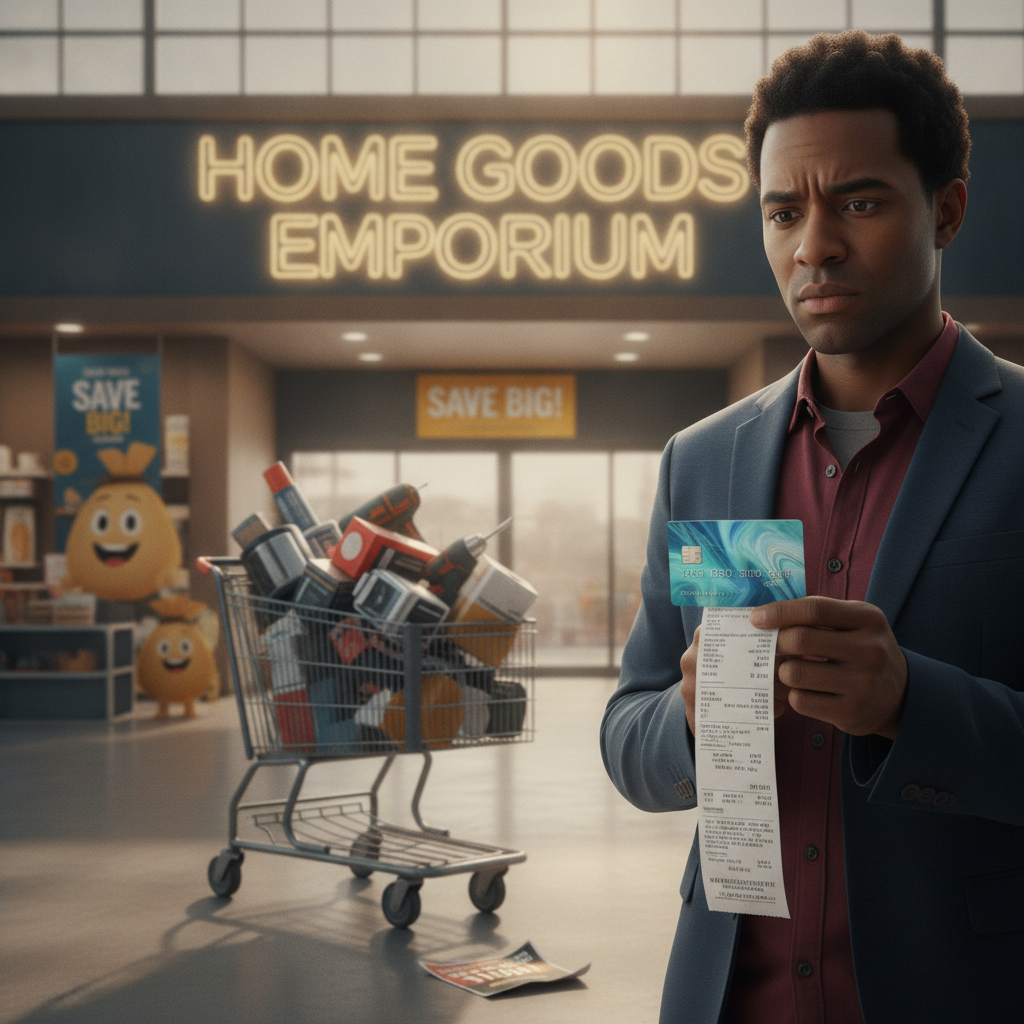
Retail pricing is not a neutral act. Every tag, sticker, and promotional banner in a store — physical or digital — is designed with a specific commercial purpose, and the language retailers use to describe discounts can mean very different things depending on the context. Shoppers who understand how these pricing strategies work are far better positioned to recognize when a deal is genuine and when it's simply structured to feel that way.
Why Discount Labels Rarely Tell the Whole Story
The word "sale" appears so frequently in retail environments that it has largely lost its original meaning. At major retailers like Target, Walmart, and Macy's, promotional pricing is often a near-permanent condition for certain product categories. What looks like a temporary reduction may actually reflect a standard price that's been briefly inflated before being "marked down." This practice — sometimes called reference pricing — is legal and widespread, but it creates a misleading impression that shoppers are catching something rare. The key habit worth developing is treating any discount claim as a starting point for inquiry, not a conclusion.
What Markdown Pricing Actually Means
A markdown is a deliberate reduction in the selling price of an item, typically made to move slower-selling inventory or to stay competitive with other retailers. Markdowns are routine pricing adjustments — they don't necessarily signal that the original price was fair or that the current price is unusually good. In apparel retail especially, initial prices are often set with planned markdowns in mind from the beginning. A shirt priced at eighty dollars with a markdown to fifty-five might have always been intended to sell at fifty-five; the higher number was simply the opening position. Understanding this makes it easier to evaluate whether the current price reflects genuine value.
How Clearance Pricing Differs from Standard Discounts
Clearance pricing carries a more specific meaning than a general markdown. When a retailer moves merchandise to a clearance section, it typically signals that the item is being discontinued, replaced by a new model, or is end-of-season stock that needs to be liquidated to free up floor and storage space. This is why clearance items at stores like Nordstrom Rack or HomeGoods can offer meaningful savings — the retailer genuinely needs that inventory gone. The trade-off is that clearance items often lack return flexibility, come in limited sizes or configurations, and may not be the latest version of a product. The savings are real, but so are the limitations.
The Loss Leader Strategy and What It's Designed to Do
Loss leader pricing is perhaps the most strategically calculated of the three. A loss leader is a product sold at or below cost — meaning the retailer deliberately accepts a financial loss on that item — specifically to draw shoppers into the store or onto the site. Grocery chains like Kroger and Albertsons frequently use this approach with staple items: deeply discounted milk, eggs, or bread generate foot traffic, and once shoppers are inside, the expectation is that the rest of the cart fills up with full-margin products. Online retailers apply the same logic. A loss leader deal is not a gift; it's an invitation to spend more elsewhere. Recognizing it doesn't mean avoiding it, but it does mean shopping with intentional discipline.
Reading Price Tags with More Precision
Several practical signals help distinguish a genuine value from a manufactured one. The presence of a crossed-out "original" price next to a sale price warrants skepticism — that original price may have been active for only a short window, or it may reflect a manufacturer's suggested retail price that no one actually paid. Items labeled "was/now" should prompt a quick comparison search on a site like Google Shopping or CamelCamelCamel, which tracks Amazon price history. Sale end dates create urgency, but many promotions are simply rolled over into the next cycle. The more pressure a label creates, the more carefully the underlying math deserves examination.
How You Can Apply This Knowledge While Shopping
When you encounter a discount label, the most useful question isn't "how much am I saving?" — it's "what is this item actually worth to me at this price?" Check the current price against at least two other sources before treating a markdown as a true bargain. For clearance items, ask whether the discount justifies any limitations on returns or availability of support. When a loss leader catches your attention, make a list before entering the store and stick to it. Retailers spend considerable resources engineering the in-store and online experience to encourage unplanned spending — and that investment only pays off when shoppers aren't paying attention to what's really happening.
Discount labels are tools retailers use to communicate — and to persuade. Markdowns, clearance pricing, and loss leaders each operate on different logic and serve different commercial purposes. Shoppers who take the time to distinguish between them are less likely to be guided by the appearance of a deal and more likely to make purchases that reflect actual value. The label is never the whole story; it's simply the beginning of the conversation.