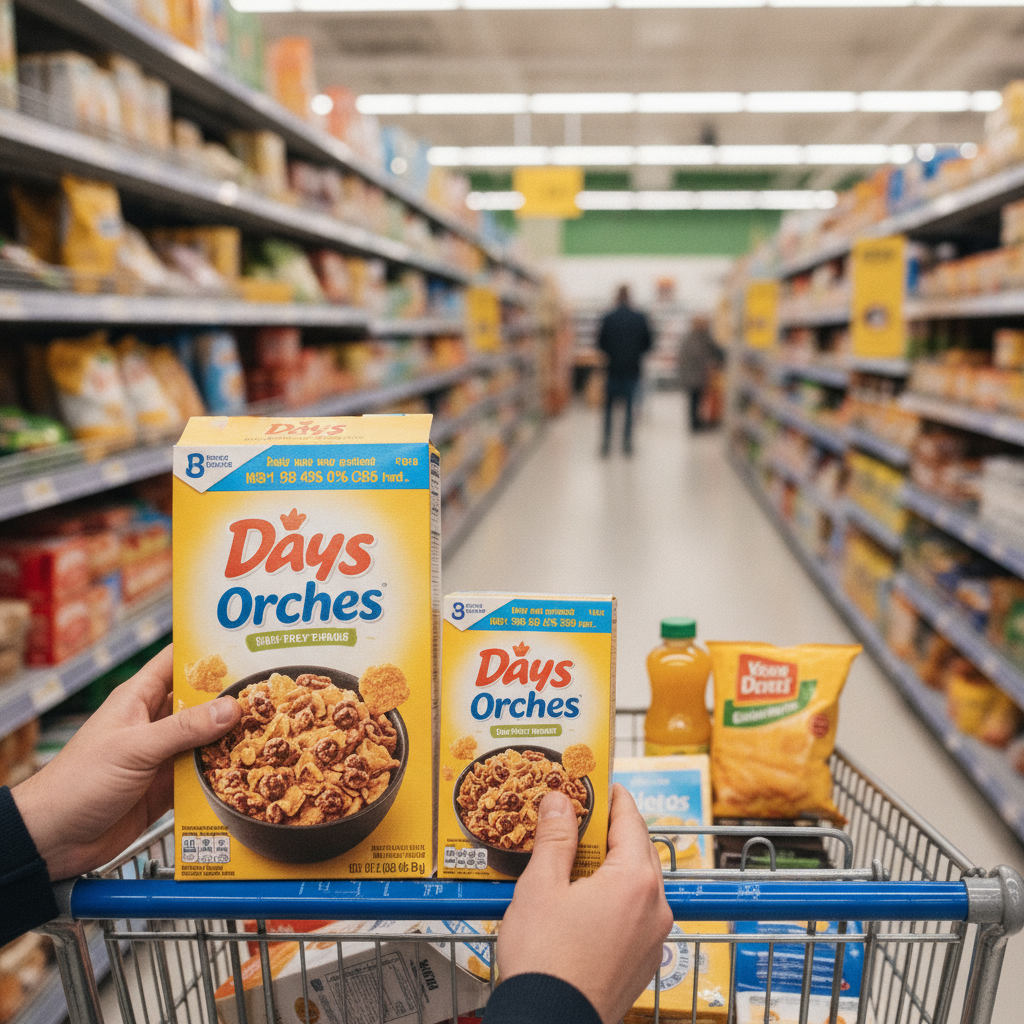
Retail shelves are carefully engineered spaces where almost nothing is accidental. The height of a product, the color of its label, the curve of its container — each element is considered long before it reaches a store. One of the most quietly effective strategies in that environment is the gradual reduction of product size without any corresponding reduction in price. Shoppers pick up what appears to be the same item they've always bought, pay the same amount, and carry home less. The practice is widespread, and it works precisely because it's designed not to be noticed.
Understanding Why Shrinkflation Is So Effective at Going Unnoticed
Shrinkflation succeeds because of how human perception works. Consumers are far more attuned to price changes than to quantity changes. When a box of cereal jumps from four dollars to five dollars, the reaction is immediate. When the same box quietly shrinks from sixteen ounces to thirteen and a half ounces while the price holds steady, most shoppers never register the shift. Manufacturers understand this deeply. They rely on the fact that packaging shape, label design, and shelf positioning remain consistent enough to trigger brand recognition, which overrides the kind of detailed scrutiny that would otherwise catch the change. Familiar packaging creates a kind of cognitive shortcut that works entirely in the manufacturer's favor.
Notice the Packaging Shape Before You Notice the Price
One of the most common techniques used to disguise size reductions is altering the physical form of the container rather than its outer dimensions. A peanut butter jar may keep the same height and lid diameter while developing a deeper indentation at the base — reducing its volume without changing what it looks like on the shelf. Chip bags and cereal boxes often maintain their footprint while becoming narrower in depth. Ice cream containers famously transitioned from full gallons to one and three-quarter quarts over a series of years at brands including Breyers and Turkey Hill. Shoppers who pay attention to the shape of the bottom of a container or the thickness of a package will often catch these adjustments before the price-per-unit math even becomes necessary.
Check Unit Price Labels Instead of Package Price Tags
The single most reliable tool for catching shrinkflation in a retail setting is the unit price label on the shelf edge. These labels — required by law in many states — display the cost per ounce, per count, or per unit of measurement rather than the price of the whole package. When a manufacturer reduces volume and holds the package price steady, the unit price rises. Comparing unit prices across different brands, or between a current purchase and a previous one, surfaces the true cost of what's being bought. Apps like Flipp and Basket make this comparison even easier by pulling in current pricing from nearby stores, giving shoppers a broader view without requiring manual tracking.
Pay Attention to Language Changes on the Front of the Label
Packaging language shifts are often an early warning sign of a size reduction. When a product changes from "16 oz" to "now with a new look" or trades a straightforward quantity claim for something vaguer like "great value size," it's worth flipping the package over and reading the net weight carefully. Manufacturers are legally required to list the accurate weight or volume on the packaging, but the front label is under no obligation to highlight any changes. Terms like "family size" or "value pack" are not standardized measurements, which means they can describe almost any quantity the brand chooses. Reading the actual net weight on the back or side panel removes the ambiguity that front-label marketing is designed to create.
Track Your Grocery Spending by Weight Over Time
You don't need a spreadsheet to catch shrinkflation trends — but keeping a loose mental record, or a brief note in a phone app, of what you regularly buy and how much you typically get for your money builds a reference point that casual shopping simply doesn't provide. When the pasta brand you've bought for years starts producing a box that feels lighter than it used to, that instinct is worth following up. Grocery tracking apps like Grocery Pal allow users to log past purchases, which makes it straightforward to notice when a product's per-unit cost shifts upward without any visible price increase. Awareness compounds over time, and even rough comparisons between shopping trips start to reveal patterns.
Use These Habits to Protect Your Grocery Budget Going Forward
Once you know what to look for, shrinkflation becomes much harder to miss. Before placing a product in your cart, take five seconds to glance at the unit price on the shelf edge — not the package price. When a familiar item feels lighter, check the net weight on the label. If the front of the package has changed its language or design, look closely at what might have changed behind it. Opt for store-brand alternatives from retailers like Costco, Aldi, or Trader Joe's when name brands have recently reformulated or repackaged, since private-label products are often less subject to incremental size reduction. The weight listed on a package is the only number a manufacturer is legally bound to get right, so treat it as your primary reference rather than an afterthought.
Shrinkflation is not a new phenomenon, but its visibility in everyday grocery shopping has grown significantly as manufacturers face persistent cost pressure. The good news is that the tools for spotting it — unit pricing, label reading, and basic comparative awareness — are all freely available. Shoppers who build these habits don't need to distrust every purchase; they simply need to ask a few more targeted questions before committing to a familiar item. Small adjustments in attention, applied consistently, add up to real savings and a much clearer sense of what a grocery dollar is actually buying.