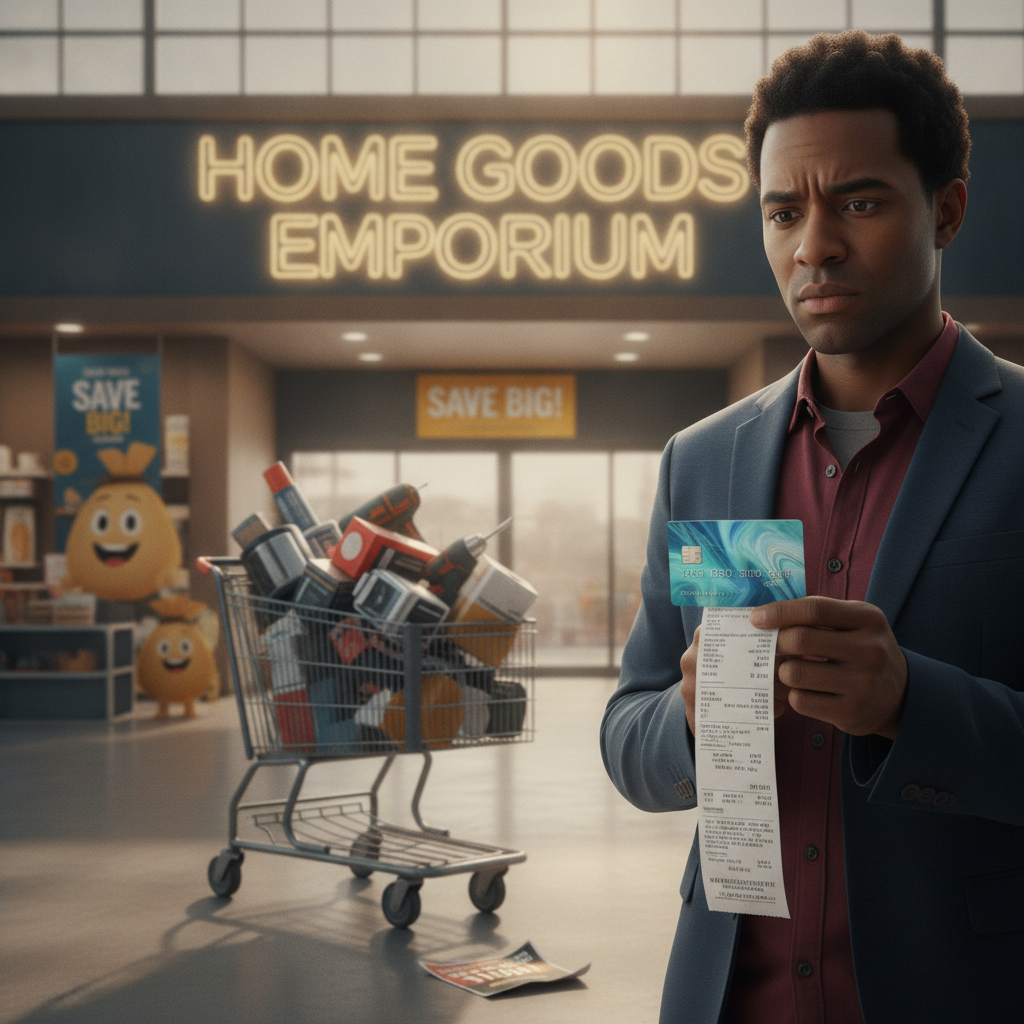
Every seasoned traveler has a version of the same story: you planned your trip carefully, booked the flights, sorted the accommodation, and felt completely on top of things — then spent way more than expected in the 48 hours before departure. A forgotten travel pillow here, an overpriced neck wallet there, a last-minute bag upgrade at the check-in counter because your carry-on was two kilos over. It adds up fast, and it adds up in the most stressful possible environment.
Building a pre-trip packing budget isn't glamorous, but it's one of the most effective ways to protect the travel budget you actually care about. The key is treating your packing needs like a proper shopping project — with research, timing, and a clear spending ceiling — rather than a scramble you handle the week before you fly.
Start With a Full Gear Inventory Before You Spend Anything
Know What You Already Own
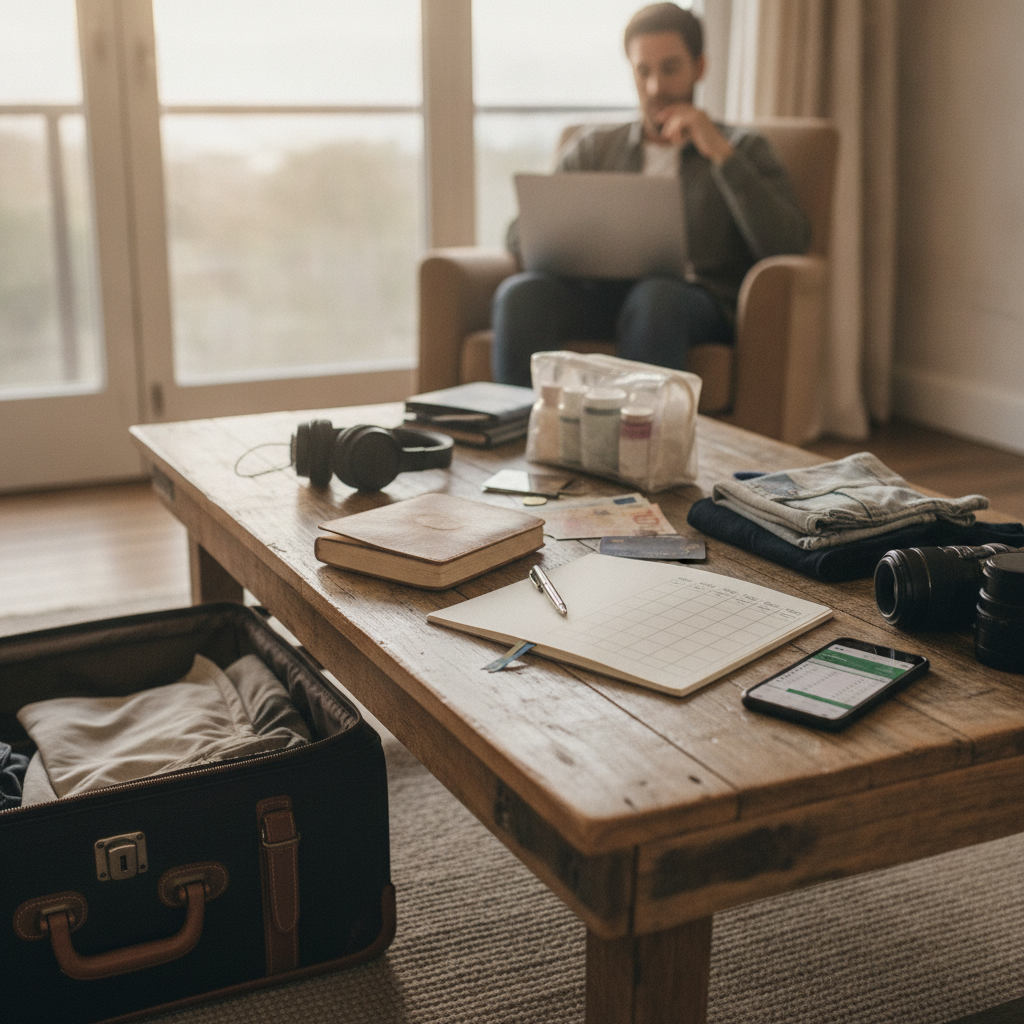
The most common packing mistake isn't buying the wrong things — it's buying duplicates of things you already have buried in a drawer somewhere. Before you spend a single dollar, do a complete walk-through of what you own. Pull out your luggage, your travel accessories, your toiletry kit, your adapter collection, and anything else you've used on previous trips. Lay it all out somewhere you can see it clearly.
This step sounds obvious, but most people skip it and end up at the airport buying a portable charger they already own. A quick inventory takes 20 minutes and can save you a surprising amount.
Categorize What Needs Replacing Versus What's Missing
Once you can see what you have, split your needs into two lists: items that need replacing because they're worn out or broken, and items that are genuinely new requirements for this specific trip. A hiking trip to Patagonia might require gear you've never needed before. A city break to Lisbon probably doesn't. Keeping these lists separate helps you prioritize spending and avoid the trap of treating every trip like a reason to start fresh.
Set a Hard Packing Budget Before You Browse
The Danger of Shopping Without a Ceiling
Browsing for travel gear without a budget in mind is one of the fastest ways to spend more than you planned. Retail environments — both online and physical — are designed to surface options that are just slightly better than the one you were considering. You go in looking for a packing cube set and leave with a compression bag system, a TSA-approved toiletry organizer, and a tech pouch you didn't know existed. None of it was unreasonable on its own. Together, it blew your budget.
Decide on your total packing allowance before you open a single browser tab. Factor in everything: luggage, clothing gaps, toiletries, accessories, and any destination-specific gear. Write the number down and treat it as a constraint, not a suggestion.
Split Your Budget by Category
Once you have a total, divide it into rough allocations by category. Luggage and bags tend to carry the biggest price swings, so if you need to invest there, adjust elsewhere. Toiletries are usually cheaper to buy locally at your destination than at airport shops or last-minute pharmacy runs at home. Knowing how much you've earmarked for each category makes it much easier to say no when something outside the plan looks tempting.
Shop Early and Use the Right Platforms
Timing Your Purchases Correctly
The airport retail environment is the most expensive place to buy almost anything travel-related. Duty-free pricing sounds like a deal until you compare it to what the same item costs online two weeks earlier. Building your packing list and doing your shopping at least three to four weeks before departure gives you access to regular prices, sale windows, and the patience to compare options properly. Panic-buying in the final days before a trip almost always costs more.
If you're traveling in summer, late spring is a good window to shop — retailers clear winter stock and begin pushing travel-related products at competitive prices. Winter trips benefit from early autumn shopping, before demand for cold-weather gear peaks.
Platforms Worth Using
For comparing prices across luggage and packing accessories, Google Shopping gives you a fast side-by-side view without committing to one retailer. Amazon is useful for packing cubes, compression bags, and smaller accessories, where third-party sellers often undercut branded alternatives significantly. For outdoor and adventure-specific gear, REI runs regular sales and has a co-op membership model that pays back dividends on purchases — worth considering if you travel frequently or camp. Skyscanner is essential for the flight itself, but for the gear that goes with you, dedicated retail comparison is a better route than general travel platforms.
Watch for the Hidden Costs That Hit at the Counter
Airline Baggage Fees Deserve Their Own Line Item
Airline baggage fees are one of the most consistent sources of unexpected travel spending, yet they're rarely included in pre-trip planning. Before you finalize your packing strategy, check your airline's exact baggage policy — size limits, weight limits, and fees for exceeding them. Budget carriers like Ryanair and Spirit apply fees that can rival the cost of a new bag. Knowing this in advance means you can decide whether checking a bag makes financial sense, or whether investing in a better carry-on is the smarter long-term choice.
If you're packing for a longer trip and debating between a carry-on and checked luggage, run the numbers for the specific flights you've booked. The math is often more interesting than you'd expect.
Toiletries and Last-Minute Additions
Travel-sized toiletries sold at airport shops carry some of the highest retail markups you'll encounter anywhere. If you need them, buy them at a supermarket before you leave. If you're traveling somewhere with easy access to pharmacies — most major European and Southeast Asian cities, for example — buying toiletries locally is often cheaper and removes the liquid restrictions problem entirely. Build this into your packing budget plan rather than treating it as an afterthought.
Track Your Packing Spend Like Any Other Budget
Once you start shopping, keep a running total. A simple notes app works fine — even just a list with prices next to each item. Apps like Splitwise or YNAB (You Need a Budget) can be used to track pre-trip spending categories if you already use them for broader financial management. The goal isn't complicated accounting; it's awareness. People consistently underestimate how much small purchases compound when they're shopping across multiple sessions and platforms over several weeks.
Reviewing your running total every few days keeps the overall number visible and makes it easier to pump the brakes if you're creeping toward your ceiling. It also makes the post-trip review more useful — you'll know exactly what you spent on gear versus what you spent enjoying the destination, which is the part that matters most.
Planning ahead doesn't take the excitement out of travel. It protects it. When you've handled the practical stuff thoughtfully before you leave, you arrive without the mental weight of overspending already following you. Start your packing list this week, do your inventory, set your number — and give your actual trip the budget it deserves.