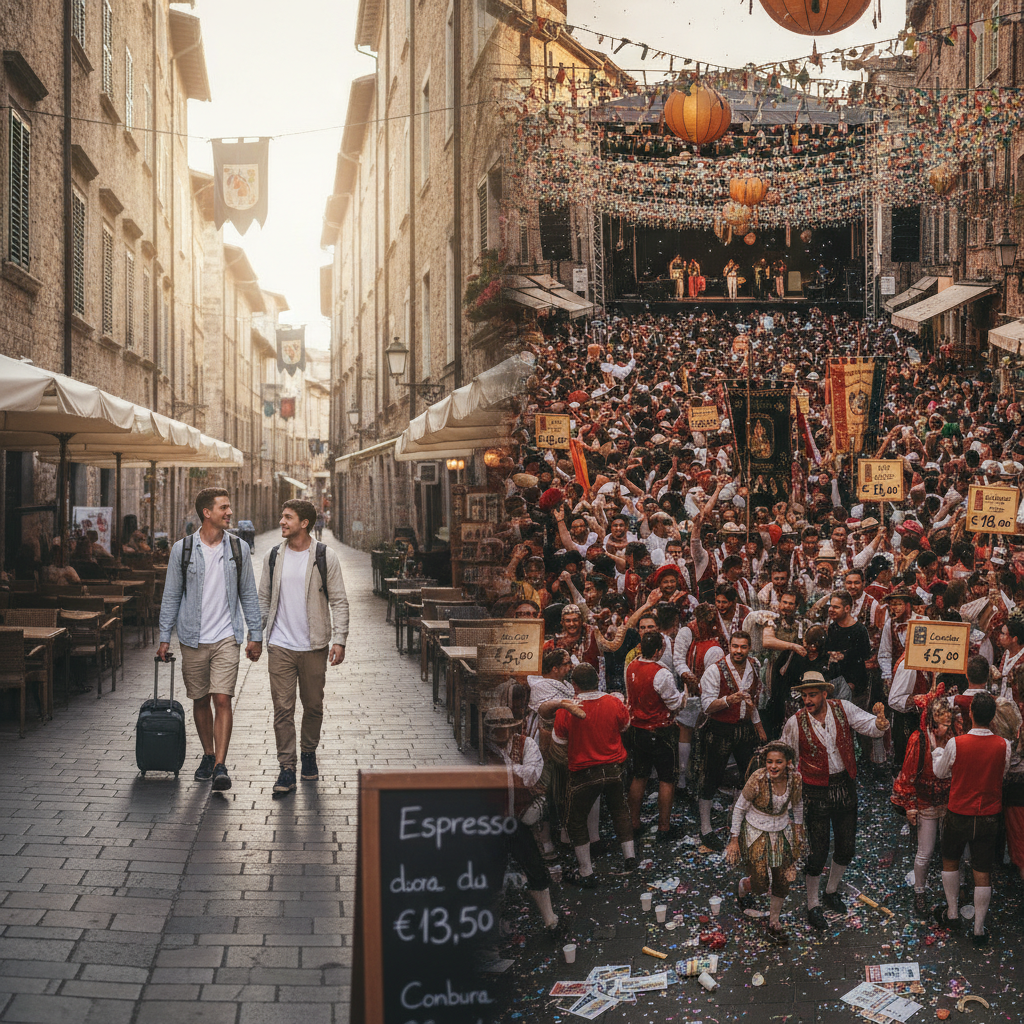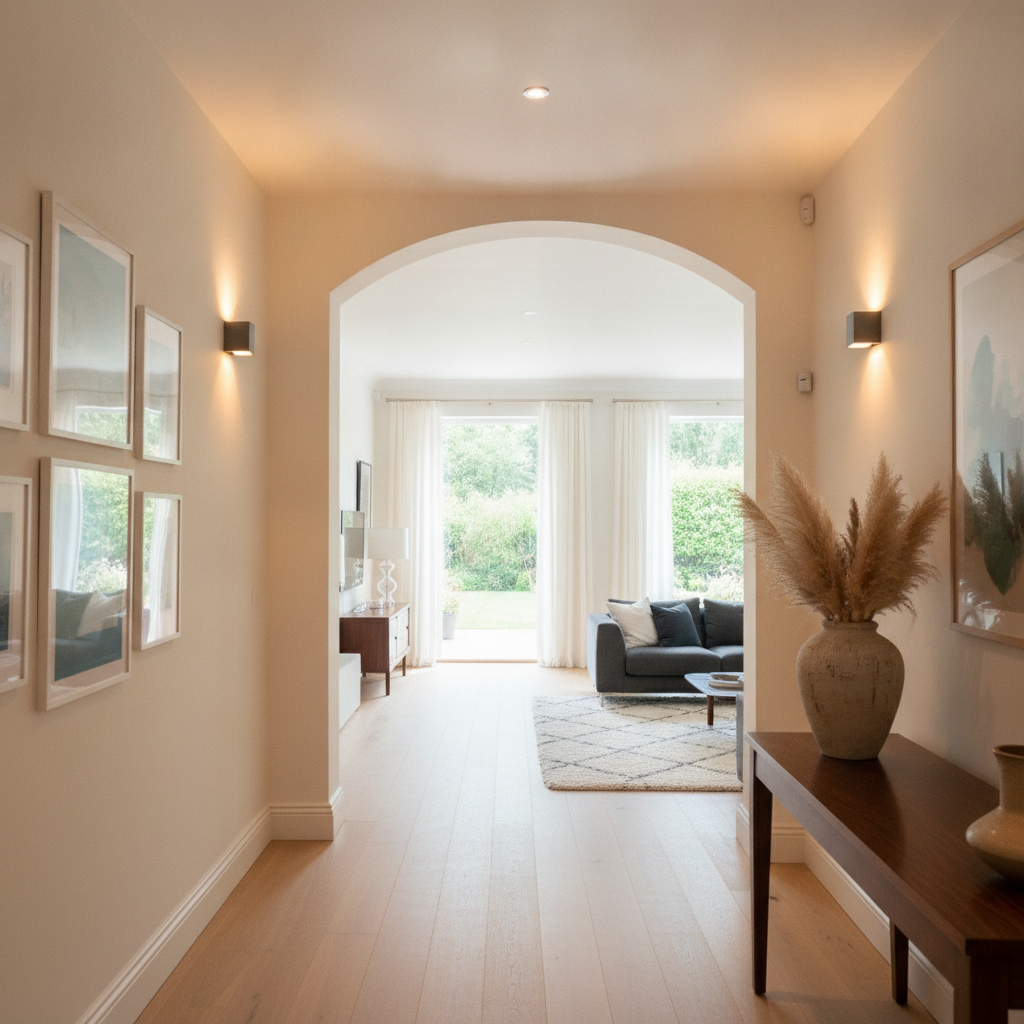
A hotel room, however well-appointed, is a kind of fiction. It presents a city at its most performative — the lobby designed to impress, the breakfast buffet engineered for efficiency, the view from an upper floor that flattens everything below into abstraction. Staying in a short-term apartment rental, by contrast, places a traveler inside the actual architecture of daily life, with all its inconvenience and texture intact. The distinction is not merely logistical. It is epistemological: what you learn about a place depends enormously on where, and how, you sleep.
The Rhythm of the Neighborhood
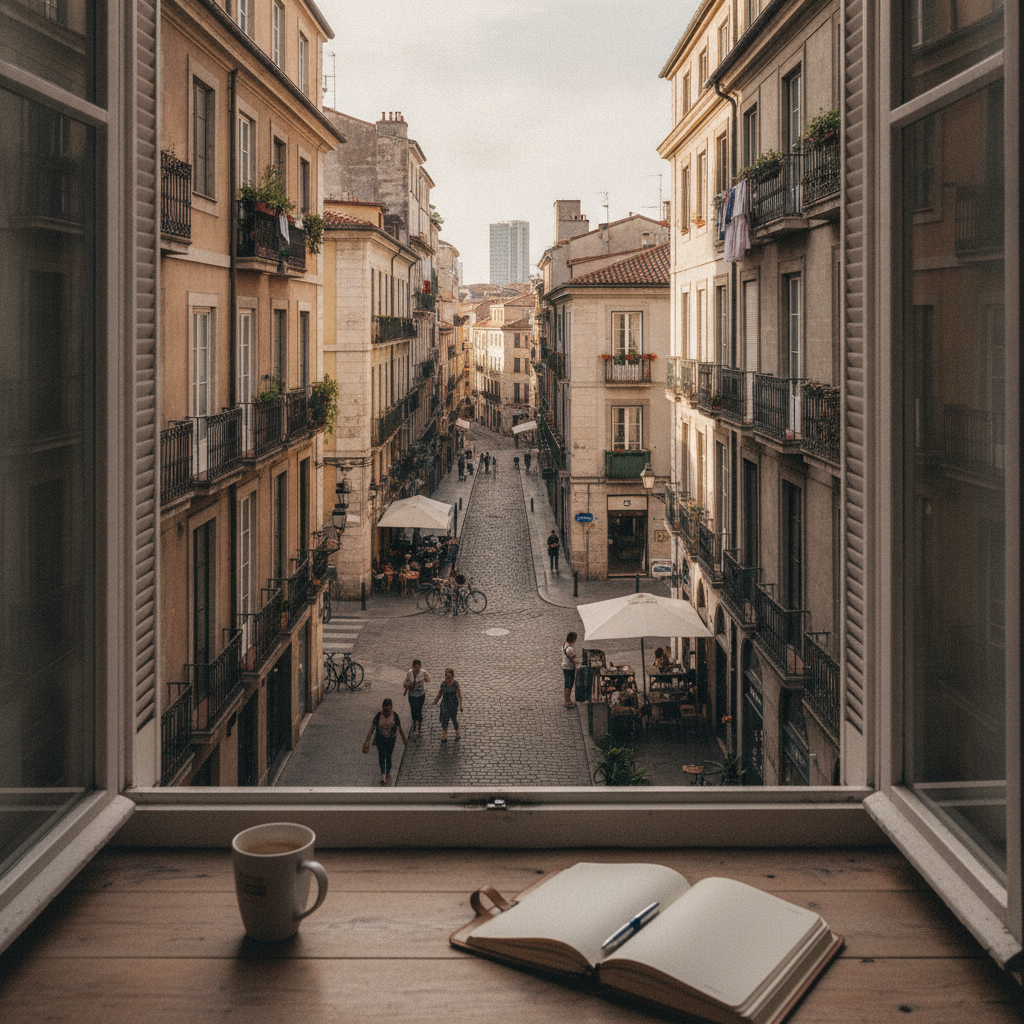
When travelers book a week-long apartment rental in a city like Lisbon, Bologna, or Thessaloniki, the first thing they notice is that the neighborhood has a pulse that hotel districts almost never replicate. Mornings announce themselves through the sounds of a bakery opening two floors below, through the particular light that cuts across tiled rooftops at a specific hour, through the rhythm of school runs and produce deliveries that the tourist corridors have long since sanitized away. In urban planning, there is a concept called *streetscapes* — the sensory character of a street as experienced at eye level by those who live on it. Short-term renters encounter this directly, while hotel guests typically consume a curated version of it from a distance. The apartment imposes participation; the hotel permits observation.
What the Kitchen Teaches
The presence of a kitchen in a rental changes the entire economic and cultural logic of a trip. Travelers who cook, even occasionally, are drawn into the orbit of local markets rather than tourist-facing restaurants — the *mercato* in Italian cities, the *laïki agora* (open-air street market) of Greek towns, the covered halls where vendors know their regulars by name. Shopping for ingredients in a neighborhood store is not merely a budget strategy, though it is often a significant one. It is a form of cultural fluency. The act of choosing tomatoes or asking how to prepare an unfamiliar cut of meat creates brief but genuine exchanges that reveal something about local priorities, seasonal habits, and the unspoken social contracts of commerce. None of this is accessible from a restaurant table, no matter how authentic the menu claims to be.
The Economics of a Longer Stay
The financial logic of apartment rentals becomes considerably more favorable the longer the stay. Platforms like Airbnb, Vrbo, and Booking.com typically apply weekly and monthly discount structures that compress the nightly cost substantially, often bringing a well-located apartment in a mid-sized European or South American city to parity with — or below — a modest hotel in the same area. Beyond the headline rate, the rental model eliminates the ambient spending that hotels quietly encourage: the minibar, the overpriced room service, the reflexive resort breakfast charge. Travelers who self-cater even half their meals during a week-long stay often find the total trip cost meaningfully lower, without any sacrifice to comfort. The apartment, in other words, is not merely a cheaper room — it is a different financial architecture entirely.
Finding the Real Geography
Hotels cluster. They tend to occupy the same districts of any given city — the historic center, the waterfront promenade, the blocks adjacent to convention halls — because those locations satisfy the broadest possible demand. This concentration has a distorting effect on how travelers perceive a city's geography. An apartment renter who books in the Pigneto neighborhood of Rome, or the Karaköy district of Istanbul, or the Cihangir quarter just above the Bosphorus, is navigating a version of the city that most short-stay visitors never access. They learn which streets are actually pleasant to walk, which cafés the locals treat as offices, and where the neighborhood's center of gravity sits. This is the kind of geographic literacy that guidebooks approximate but cannot fully convey — it requires physical immersion over a sustained number of days.
The Hidden Friction That Makes Cities Real
There is a concept in anthropology called *friction* — the productive resistance that comes from engaging with a place on its own terms rather than on prepared terms. Apartment stays generate friction in ways that hotels deliberately eliminate. The Wi-Fi router that needs restarting, the bins that must be sorted correctly by collection day, the neighbor who nods in the elevator with the mild suspicion reserved for anyone whose presence is still unexplained — these are not inconveniences to be minimized. They are the texture of actual urban life, and encountering them briefly gives travelers a more honest sense of what a city requires of the people who call it home. Hotels exist to smooth away this friction entirely. The apartment asks you to meet it partway.
What to Consider Before You Book
For travelers considering the shift from hotel to apartment rental, a few practical considerations carry real weight. Location selection matters more than it does with hotels, because the surrounding neighborhood becomes your daily environment rather than a backdrop — checking walkability scores, transit access, and the character of nearby streets on tools like Google Street View before booking pays dividends later. Reading recent reviews for specific operational details — the quality of the mattress, the noise profile of the building at night, the reliability of the check-in process — is more important than star ratings or curated photography. Choosing a rental managed by a responsive host, rather than an absentee operator, also makes a measurable difference to the experience, particularly for first-timers who may have questions on arrival that no FAQ page fully anticipates.
There is something fitting about the fact that a hotel room, designed to erase the particularity of its location, often produces travelers who leave knowing less about a city than when they arrived. The apartment rental restores that particularity — its smells, its frictions, its unglamorous rhythms — and in doing so gives travelers something that no curated itinerary quite replicates: the experience of a city as a place where people actually live, rather than a stage on which travel is performed.