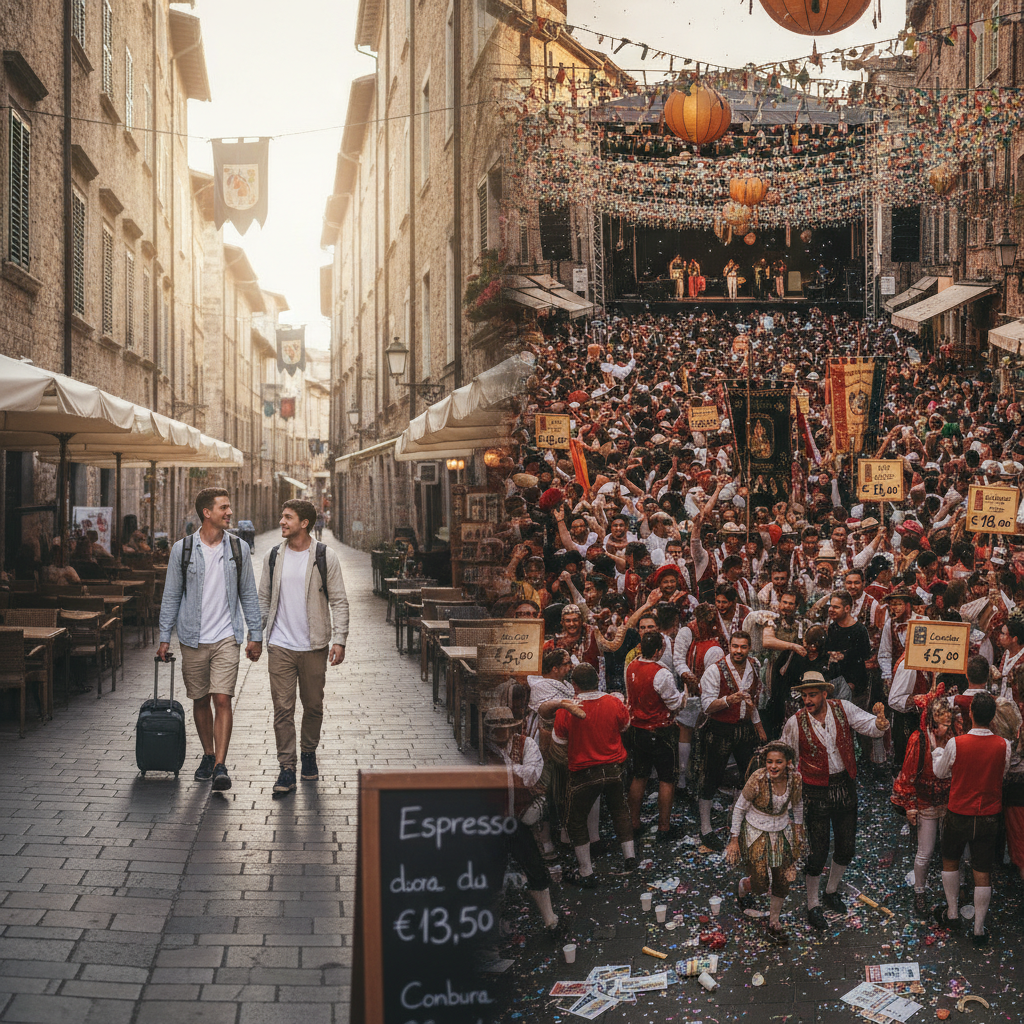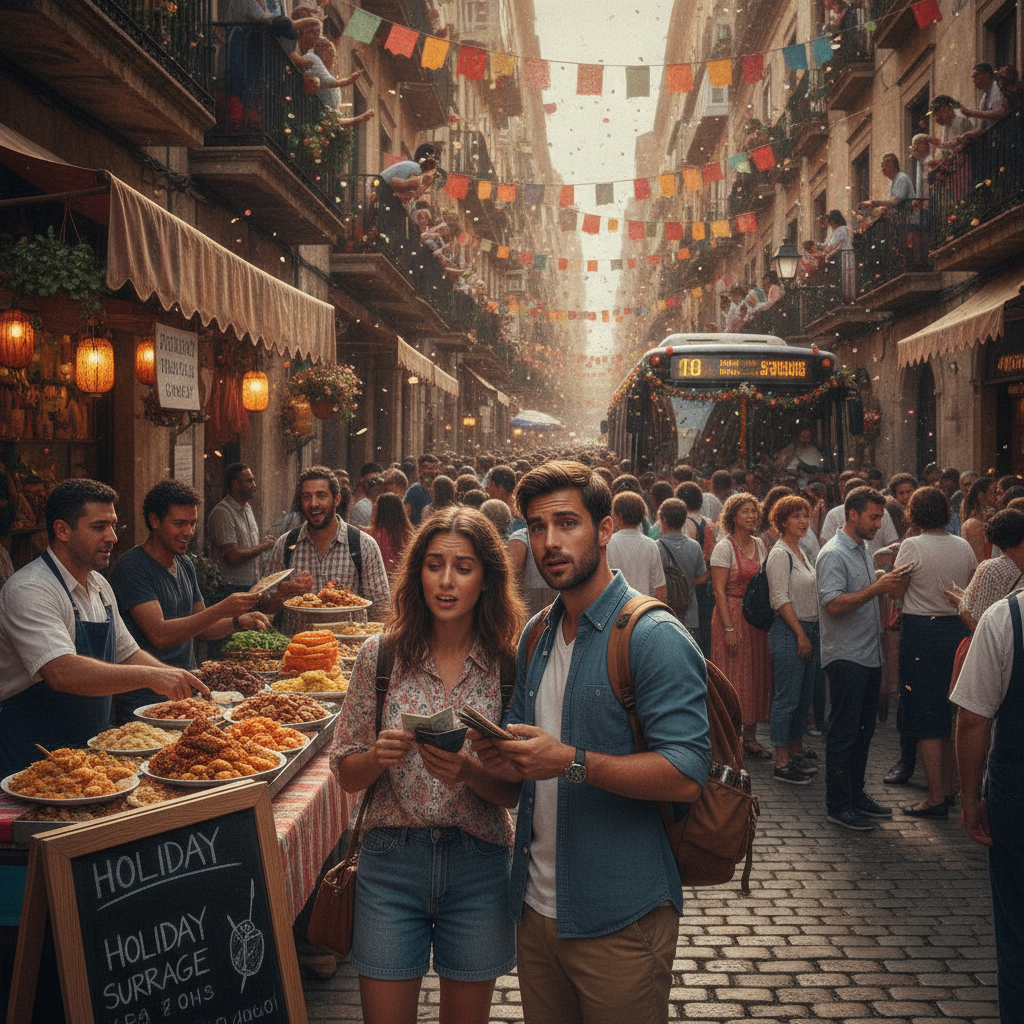
There is a particular stillness that falls over a foreign city on its most significant public holiday — a quality of air that feels different from any ordinary Tuesday, as though the place has turned inward to remember something the visitor cannot quite name. Streets that ordinarily hum with commuters are quiet, or else flooded with color and sound in ways no guidebook fully anticipates. For the traveler who arrives without knowing, it can feel disorienting. For the one who arrives prepared, it becomes one of the most memorable windows into a culture that tourism rarely opens.
When a City Closes Its Doors and Opens Its Heart
Public holidays transform the rhythm of daily life in ways that reveal the soul of a place. In Japan, the Golden Week cluster of holidays in late April and early May empties Tokyo's offices and fills its bullet trains and traditional inns to capacity. In Spain, Semana Santa — Holy Week before Easter — turns cities like Seville into open-air theaters of procession, incense, and centuries-old ceremony. The traveler who walks into these moments without preparation encounters both something extraordinary and something genuinely complicated: the world as locals experience it, not as it has been arranged for outside consumption.
The Cultural Texture That Holiday Travel Reveals
Local public holidays carry layers of meaning that ordinary travel days don't. A *fête nationale*, the French term for a national celebration day, brings a specific kind of communal pride into public spaces. *Dia de los Muertos* in Mexico transforms cemeteries into living altars that tourists often misread as somber when they are, in fact, joyful reunions. Being present during these observances offers something that no museum exhibit or cultural tour can replicate — the experience of witnessing a community at its most candid. Locals are celebrating for themselves, not performing for an audience, and that authenticity is irreplaceable. It asks more of the visitor, too: more patience, more flexibility, and more willingness to observe rather than consume.
Transportation, Accommodation, and the Surge in Demand
Demand spikes predictably around public holidays, and the infrastructure of travel responds accordingly. Train services in countries like India during Diwali, or across France during the Toussaint school holiday period, become heavily booked weeks in advance. Hotel rates in destinations like Lisbon during the Festa de Santo António in June climb sharply, particularly in neighborhoods like Alfama where the celebrations concentrate. Budget travelers who haven't planned around these windows often find themselves paying significantly more than the surrounding weeks would have cost. Ride-share and taxi availability also contracts in many cities, as drivers choose to celebrate alongside their families. These are not incidental inconveniences — they are structural realities of traveling on days when a country belongs first to its own people.
The Closed-Shop Problem and Practical Gaps
One of the most immediately felt consequences of holiday travel is the closure of services that travelers depend on without realizing it. Pharmacies, banks, grocery stores, and local markets may observe full or partial closures during national or religious holidays. In predominantly Orthodox countries like Greece, certain public holidays see an almost complete shutdown of commercial activity outside of tourist-facing businesses in central areas. Travelers who arrive needing to exchange currency, restock medications, or find an open supermarket can find themselves in genuinely difficult situations. This is where the hidden cost of holiday travel most directly appears — not as a surcharge on a booking, but as an unplanned expense, a wasted afternoon, or a missed meal that required a restaurant meal to solve.
Entrance Fees, Crowd Premiums, and Altered Access
Many of the world's significant cultural sites adjust their operations during public holidays in ways that complicate visitor planning. Some offer free admission, attracting enormous local crowds that make the experience less contemplative and more chaotic. Others close entirely for the day. The Uffizi Gallery in Florence, for instance, has historically adjusted hours and access around Italian national holidays, a pattern common across European heritage sites. Travelers who budget expecting a standard entry fee may encounter either the windfall of free admission or the frustration of finding the doors locked. Either way, the experience diverges from expectation. Knowing in advance which sites will be accessible — and how crowded they are likely to be — shapes both the cost and the quality of what a trip delivers.
Reading the Holiday Calendar Before You Book
For travelers who want the richness of holiday travel without absorbing its full financial shock, the calendar itself becomes the most useful planning tool available. Each country maintains an official schedule of public holidays, and many regional or religious observances follow predictable annual patterns even when the exact dates shift. Apps like TripAdvisor and Google Trips surface some of this information, but a more reliable approach involves checking the official tourism board of a destination country, which typically publishes annual holiday schedules with regional variations noted. Understanding whether a holiday is primarily religious, civic, or regional also helps predict which services will be affected and how broadly. A secular national holiday may close government offices while leaving most commercial life unaffected. A major religious observance may do the opposite.
What You Should Know Before Arriving on a Holiday
If your travel dates fall near or during a local public holiday abroad, a few practical habits can significantly reduce the friction and unexpected expense. Research which services close and for how long — this varies widely even within a single country. Stock essential medications and toiletries at least two days before the holiday begins. Book restaurants in advance, as popular local spots fill quickly with families celebrating. Budget a buffer into your daily spending, since convenience costs rise when standard options are unavailable. And most importantly, allow the experience to be different from what you planned. The family sharing a meal at the next table, the procession that blocks the street you needed, the unexpected festival in a town square — these are the moments that make a trip worth remembering. The hidden costs are real, but so is the reward. The same calendar that complicates logistics also guarantees you'll see a place being entirely, unguardedly itself.
As travelers become more sophisticated about destination research, the practice of deliberately timing trips around cultural holidays — rather than accidentally arriving during them — is quietly growing. The challenge going forward will be doing so in ways that respect local communities rather than overwhelming them, and that account honestly for the full financial picture rather than only the headline experience.