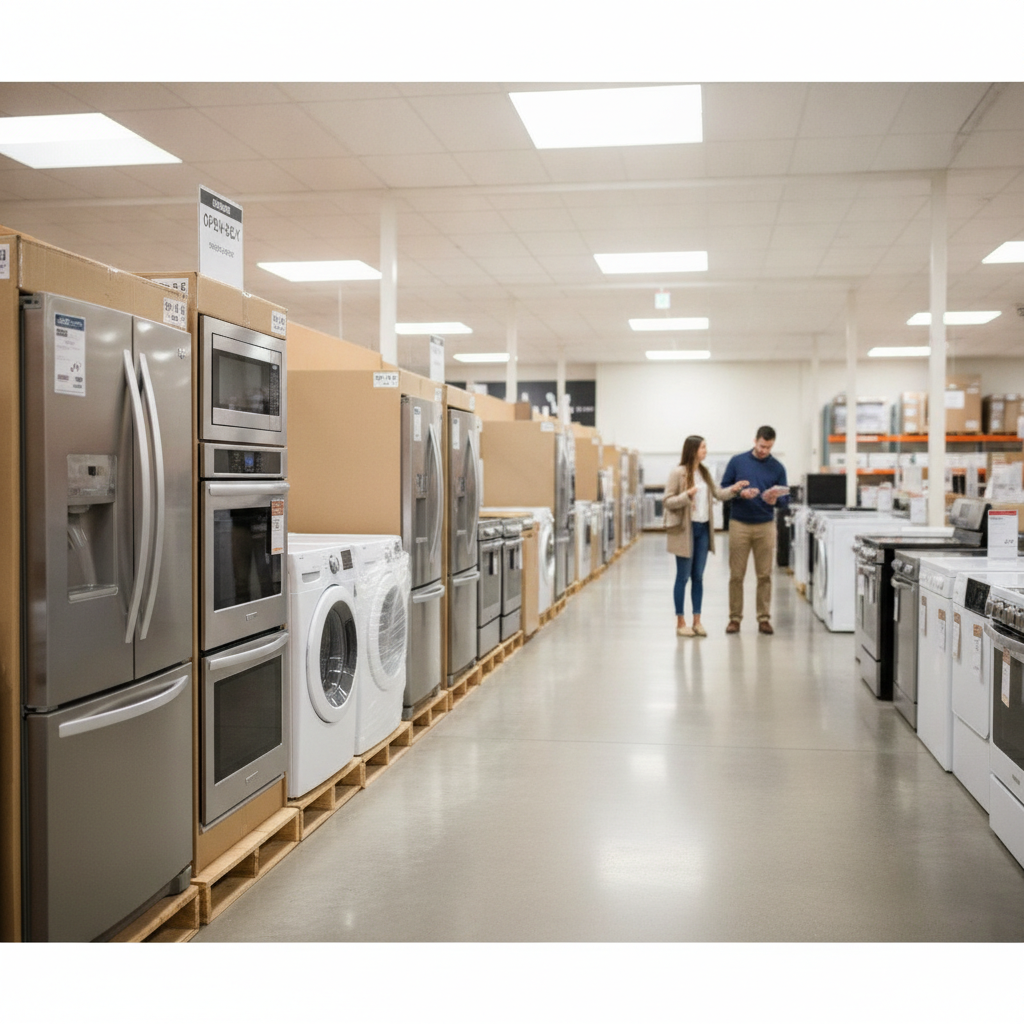
Shoppers looking to save money on major appliances have more options than ever, but not all discounted paths lead to the same outcome. Two routes that frequently get lumped together — open-box units sold at retailer clearance sections and certified refurbished appliances — are actually quite different in how they're handled, priced, and protected. Understanding the distinction can mean the difference between a genuinely smart purchase and one that comes with hidden complications.
What Separates Open-Box Appliances from Refurbished Ones?
An open-box appliance is a unit that was returned to the store, often barely used or sometimes unopened, and placed back on the sales floor at a reduced price. It hasn't been disassembled, reconditioned, or repaired — it was simply returned. A refurbished appliance, by contrast, has gone through some form of inspection or repair process before being resold. That process can vary dramatically depending on who did the work. A manufacturer like Whirlpool running its own certified refurbishment program is very different from a third-party reseller doing minimal checks before relisting.
How Do Retailer Clearance Sections Price Open-Box Units?
Major retailers like Best Buy, Home Depot, and Costco typically mark open-box appliances down by a meaningful amount — sometimes 20 to 40 percent off the original retail price — based on the condition tier assigned to that specific unit. Best Buy, for instance, uses a clearly labeled condition system ranging from "Excellent" to "Fair," which helps shoppers understand exactly what they're getting before committing. This pricing is set competitively because the retailer needs to move the item off the floor. What that means in practice is that shoppers can often find lightly used or untouched units at prices that rival or beat refurbished equivalents.
What Warranty Coverage Looks Like on Each Option?
One of the most significant advantages open-box appliances hold over many refurbished units is warranty coverage. When a customer buys an open-box refrigerator from a major retailer, the manufacturer's warranty frequently remains intact or is partially honored, depending on how much time has elapsed since original purchase. Refurbished appliances, especially those sold through third-party sellers on platforms like eBay or even Amazon Warehouse, often come with limited 90-day warranties or none at all. Manufacturer-certified refurbished programs do offer better protection, but they also tend to price units closer to new retail, eroding much of the savings benefit.
Why Condition Transparency Matters More Than Most Shoppers Realize?
Buying an open-box appliance from a physical clearance section offers something that refurbished purchasing frequently doesn't: the ability to inspect the item in person before buying. A shopper standing in front of a clearance dishwasher at a Lowe's can check the door seals, look for cosmetic damage, test any digital displays, and ask a store associate what the return reason was. That level of transparency is difficult to replicate when ordering a refurbished unit that ships in from a warehouse. Photos on a listing page rarely capture everything, and return logistics for large appliances are significantly more complicated than sending back a small electronics item.
Where Refurbished Still Makes Sense in the Right Context?
Refurbished appliances aren't without their merits, and there are scenarios where they're the more sensible choice. Manufacturer-certified programs — like those run directly by brands such as Samsung or LG through their own websites — offer peace of mind that rivals new purchases, typically including warranties that are comparable to what a new unit would carry. Refurbished also tends to be the better option when the specific model a buyer wants simply isn't available in any retailer's clearance section. Open-box inventory is unpredictable and location-dependent, while refurbished stock can be found and ordered online with more consistency.
How to Shop Open-Box Clearance Sections Strategically?
If you're ready to explore open-box appliances, a few habits will serve you well. Always ask a store associate for the condition report or return reason if it isn't displayed — most major retailers log this information. Check the manufacturer's website to verify whether the remaining warranty is transferable, since policies vary by brand. Look for open-box units at larger store locations, because high-volume stores like flagship Best Buy or Home Depot locations tend to cycle through more clearance inventory. When comparing an open-box unit against a refurbished alternative, factor in delivery costs, warranty length, and the reputation of whoever is selling the refurbished item — not just the sticker price.
The appliance resale market continues to mature, with retailers investing in better condition-grading systems and more transparent return histories. As consumer awareness grows and more shoppers seek value outside the new-product aisle, open-box clearance sections are likely to become even more organized and competitive. For anyone willing to shop in person and ask the right questions, these sections consistently represent some of the most overlooked value in the entire appliance category.