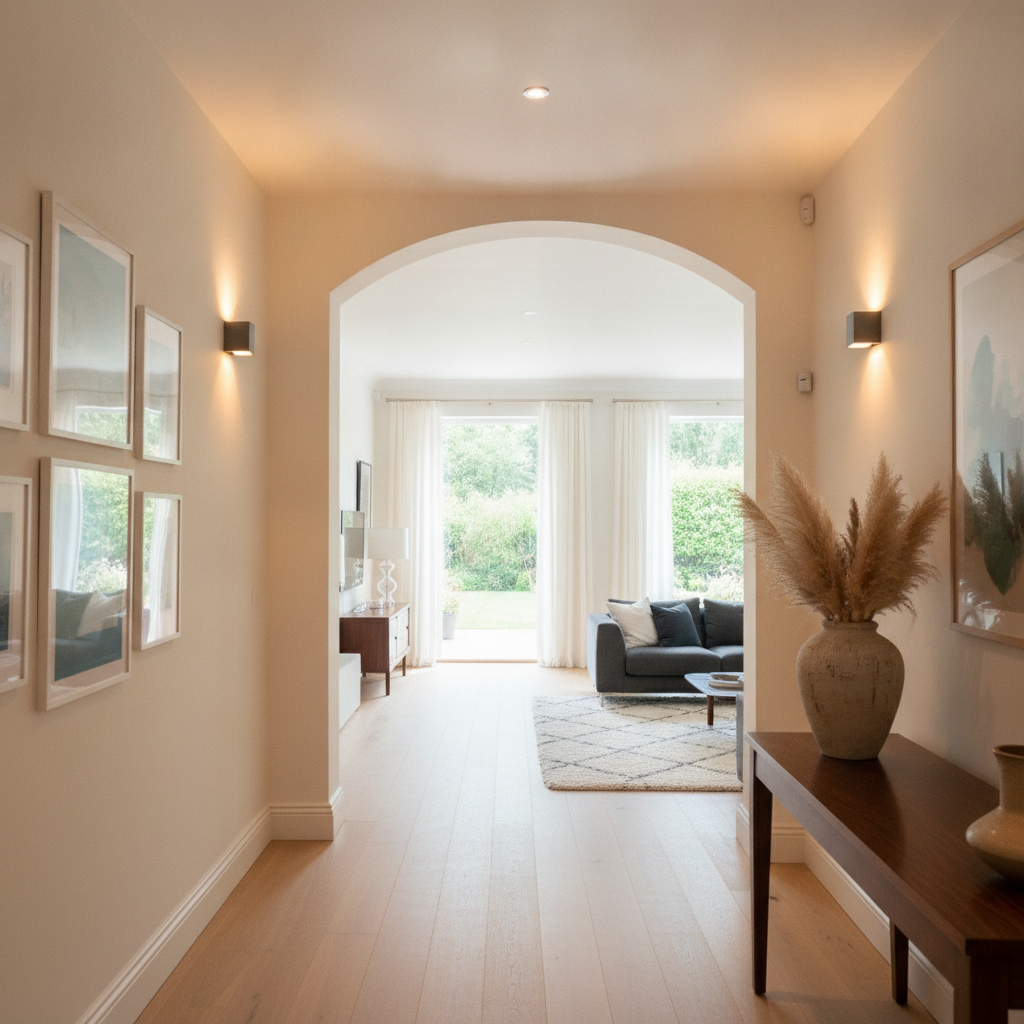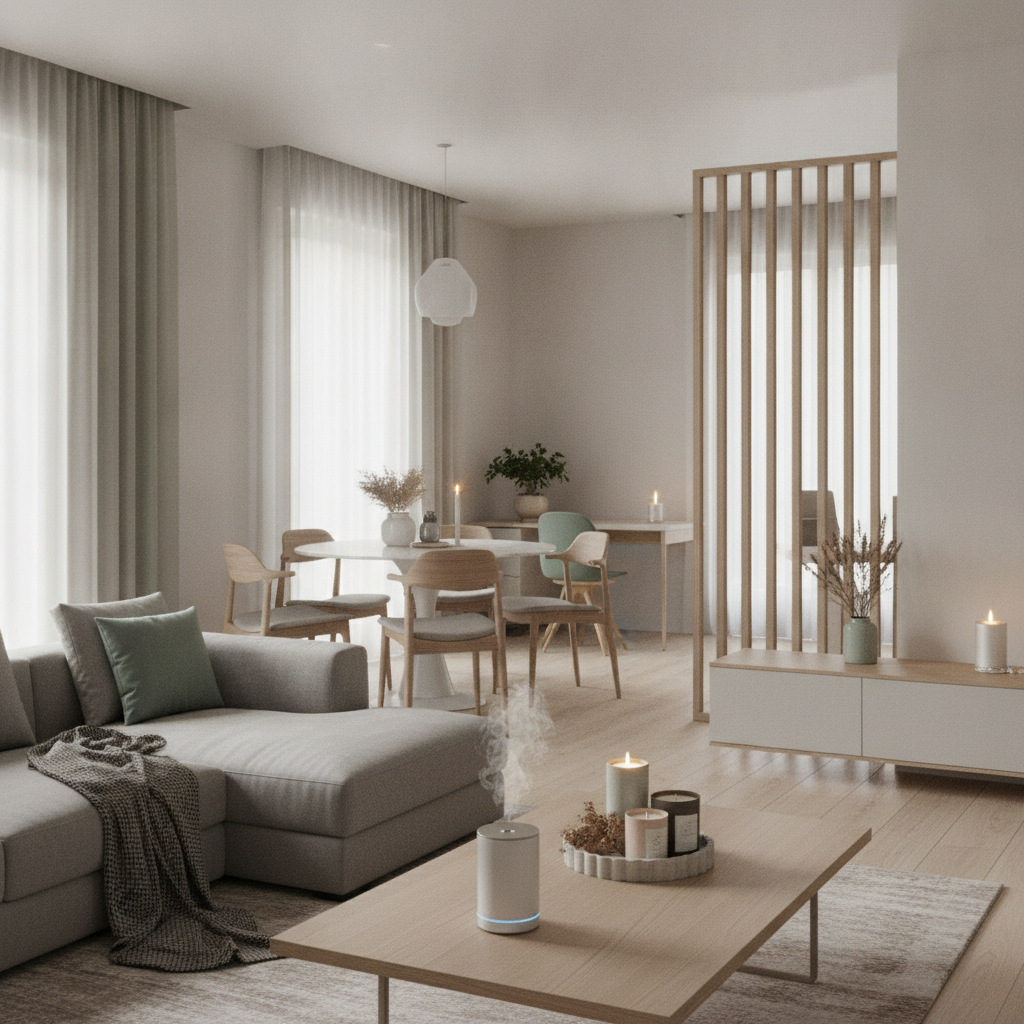
Open-plan living is one of the most popular layout choices for modern homes, but it comes with a quiet challenge that furniture and paint alone can't fully solve. When your kitchen, dining area, and lounge all flow into one another, it can feel like one undifferentiated space — functional, yes, but lacking in atmosphere. Scent layering offers a surprisingly effective way to change that. By placing the right fragrances in the right spots, you can guide how each zone feels without building a single wall.
Understand How Scent Zones Actually Work
The idea behind scent zoning is simple: different aromas trigger different associations in the brain, which means fragrance can mentally signal a shift in purpose even when the physical space doesn't. A kitchen that smells faintly of lemon and herb feels like a workspace. A reading nook that carries sandalwood or cedar reads as a retreat. When these scents don't bleed into each other, each zone develops its own identity. The goal isn't to fill your home with competing smells — it's to place subtle, distinct anchors that your senses can follow.
Start With a Scent Map of Your Floor Plan
Before you buy a single candle or diffuser, sketch out a rough map of your open-plan space. Mark where the main activities happen — cooking, eating, relaxing, working — and think about airflow. Ceiling fans, HVAC vents, and open windows all affect how scent travels. You want to place fragrance sources close to each zone's center of activity and away from high-traffic corridors where smells naturally mix. Brands like Vitruvi and Nest New York offer diffusers with adjustable intensity settings, which makes it easier to keep each zone's scent contained and calibrated.
Choose Scent Families That Don't Compete
The most common mistake in scent layering is picking fragrances that clash when they inevitably drift together. Instead, build your zones around scent families that sit at different points on the fragrance spectrum. Citrus and herb-based scents work well for kitchens and dining areas because they feel clean and appetite-friendly. Warm woods, amber, or light florals suit living and lounge spaces. For home offices or reading corners, earthy or resinous notes like vetiver or cedar create a grounded, focused atmosphere. When zones do overlap slightly, these families tend to blend rather than fight.
Use Diffuser Placement to Control Reach
Electric ultrasonic diffusers give you the most control over how far a scent travels and how strong it is. A compact unit placed low on a shelf will create a much smaller scent radius than one sitting on a high counter near a vent. In larger open-plan spaces — like those common in homes inspired by the open layouts of Tribeca lofts or California ranch-style builds — you may want to use lower-output diffusers with oils diluted to around half the recommended concentration. This keeps each zone's scent subtle and defined rather than overwhelming the whole room.
Layer Candles for Ambient Zones
For living and dining zones where you want a softer, more atmospheric effect, candles are hard to beat. They release fragrance more slowly than diffusers, which actually works in your favor — the scent stays close to the source and fades naturally at the edges of the zone. A pillar candle from a brand like Boy Smells or P.F. Candle Co. placed on a dining table or sideboard creates a scent anchor that feels organic rather than engineered. Just make sure the fragrance you choose for your dining space complements food rather than fighting it — light herbs, warm spice, or clean citrus tend to be the most versatile choices.
Anchor High-Traffic Areas With Subtle Reed Diffusers
Reed diffusers are ideal for zones that see constant foot traffic, like entryways or kitchen islands, because they provide consistent low-level fragrance without needing attention. They won't overpower a space the way a freshly lit candle might, and they release scent steadily throughout the day. Position a reed diffuser near the boundary between two zones — say, where your kitchen transitions into a dining area — and it acts as a subtle olfactory marker that people cross without even consciously noticing. Change the reeds every few weeks to keep the scent output fresh and consistent.
Consider Seasonal Rotation to Keep Zones Feeling Fresh
Scent layering isn't a one-time setup. Over time, you stop noticing a fragrance you've lived with for months — a phenomenon called olfactory fatigue — and the zone distinction starts to blur. Rotating scents seasonally keeps each area feeling intentional and prevents your nose from tuning out. Swap warm amber and cedar notes in a lounge for something lighter and green in spring. Shift your kitchen from a bright lemon diffuser in summer to a gentle cardamom or ginger blend in cooler months. The structure of the zones stays the same; only the character shifts.
Keep It Light — Less Is Almost Always More
The biggest risk with any home fragrance strategy is overdoing it. Multiple strong scents running simultaneously in an open space can become oppressive quickly, especially for guests who aren't accustomed to the mix. A good rule of thumb: if you can smell a zone's fragrance from more than halfway across your open-plan space, the intensity is too high. Start with the lowest effective setting on any diffuser, use candles in smaller sizes, and give each zone room to breathe. The goal is a home that smells intentionally curated — not a store trying to sell you something.
Scent layering takes a little experimentation, but the payoff is real. Once you find the right combination of placement, intensity, and fragrance families, your open-plan space starts to feel like it has genuine rooms — even without the walls to prove it. Start with just one zone, get it right, and build from there. The rest of the house will follow naturally.