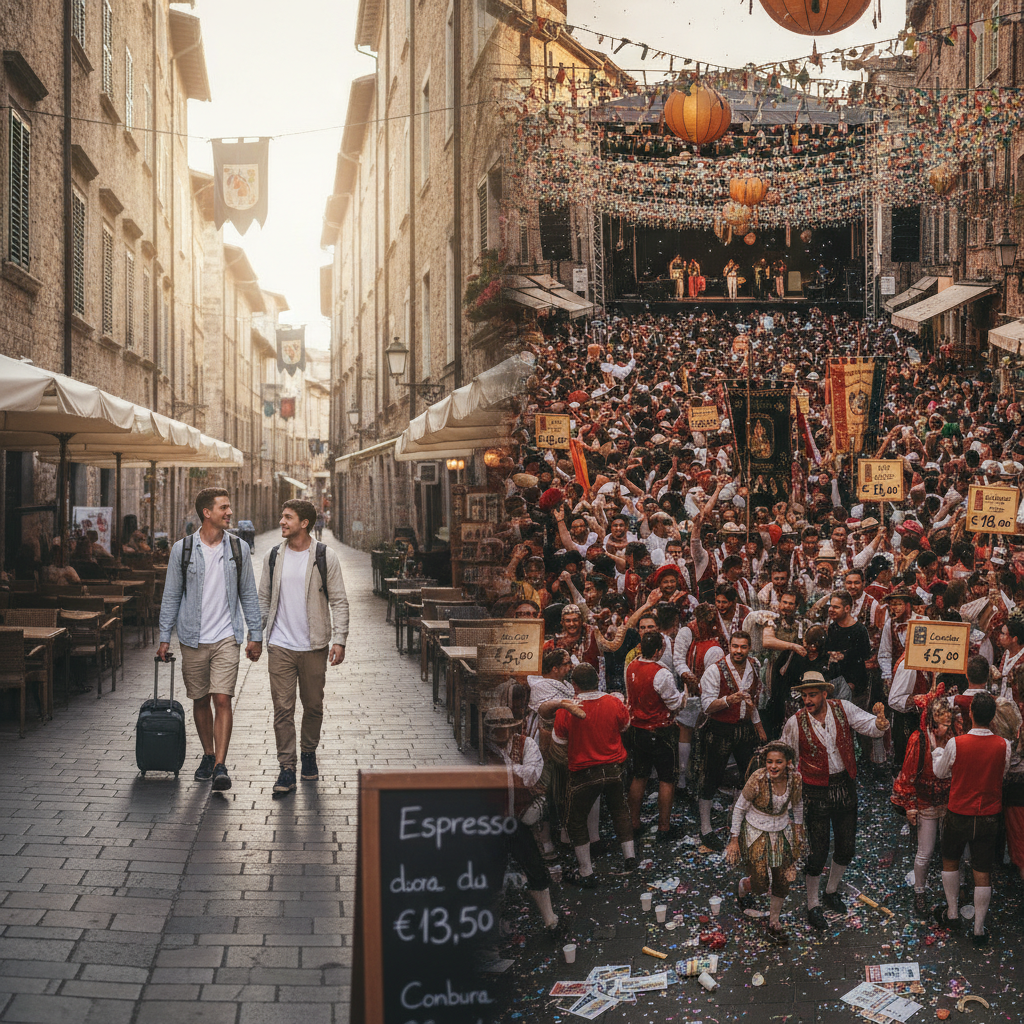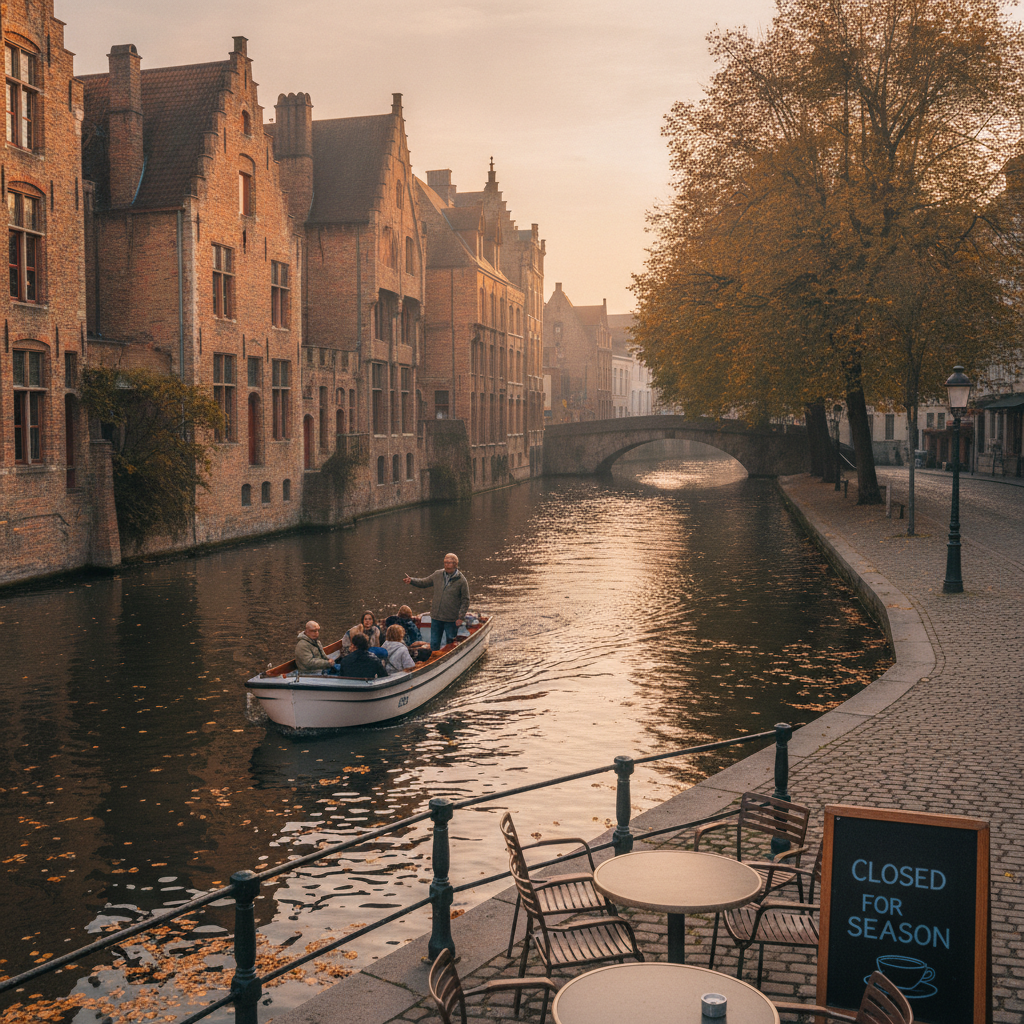
There is a particular kind of quiet that settles over a great city once the summer crowds have gone. The café tables are still there, the cathedrals still magnificent, the wine still cold — but the prices have shifted, the streets have exhaled, and the experience has taken on something more resembling actual life. This is the promise of shoulder season travel, and October may be the finest month to collect on it.
Understanding How Shoulder Season Pricing Actually Works
Shoulder season refers to the transitional periods bracketing a destination's peak tourist window — typically spring and autumn, when demand softens but conditions remain appealing. Airlines, hotels, and tour operators use dynamic pricing models that respond directly to demand curves, which means that as booking volumes drop after summer's end, rates tend to follow. The effect isn't subtle. A hotel that commands premium nightly rates in July may price the same room significantly lower in October, simply because competition for beds has eased. Car rentals, airport transfers, and even museum entry windows often loosen up as well. What travelers gain isn't just a lower bill — it's access to a more authentic version of a destination, one less shaped by the logistics of managing enormous crowds.
The economics work in a traveler's favor for a straightforward reason: fixed costs don't disappear for hospitality businesses when visitors do. A boutique hotel in Lisbon still pays its staff and utilities in October, so filling rooms at a moderate rate beats leaving them empty. That pressure creates genuine value for those willing to travel slightly outside the conventional window. Shoulder season pricing isn't a promotion or a gimmick — it's the natural result of supply outpacing demand, and for budget-conscious travelers, it represents one of the most reliable opportunities in trip planning.
Why October Stands Apart from Other Off-Peak Months
October occupies an unusually favorable position in the European travel calendar. Summer has definitively ended, but winter's cold hasn't yet arrived in most of the continent's southern and western regions. Temperatures across the Mediterranean and Atlantic coasts tend to remain comfortable — warm enough for walking tours and outdoor dining, cool enough to make sightseeing genuinely pleasant rather than exhausting. The light in October takes on a quality that photographers and painters have long sought out: lower in the sky, golden in tone, casting long shadows across cobblestone streets and vine-covered hillsides. Beyond the practical, this is simply a beautiful month to be in Europe, and the reduced cost of being there makes it feel almost indulgently well-timed.
Destinations That Reward October Travel Most Generously
Portugal's Alentejo region offers a compelling case for October travel. This inland wine country — producing some of the nation's most admired reds under the Denominação de Origem Controlada designation — sees its harvest season peak in September and early October, bringing a festive energy to small towns like Évora while pricing remains well below Lisbon's. Accommodation in restored quintas, traditional agricultural estates, often drops considerably from August rates, and the landscape of cork oaks and golden light is arguably at its most photogenic.
Seville, in Spain's Andalusia, undergoes a genuine transformation in October. The *feria* energy of spring and the brutal summer heat are both behind it, and the city's monuments — the Alcázar palace complex, the Gothic cathedral, the winding lanes of the Barrio Santa Cruz — can be explored with a patience that July simply doesn't allow. Flight prices from Northern Europe and North America to Seville tend to soften meaningfully in October, and the city's many boutique hotels within the historic center offer rates that reflect the quieter season.
Croatia's Dalmatian Coast, anchored by Dubrovnik and Split, transforms in October from a cruise-ship-crowded spectacle into something closer to the fishing villages these towns once were. The Adriatic remains warm enough for swimming well into the month, yet the relentless summer foot traffic has dissipated. Restaurants that spent August turning tables every ninety minutes now welcome guests without reservation anxiety, and the local *konoba* — a traditional family-run tavern — becomes accessible again in a meaningful way.
Greece presents a similar opportunity. The Cycladic islands, including Santorini and Naxos, begin stepping down from peak pricing after late September, and the shoulder discount deepens through October. The light over the caldera in October morning hours is softer and more layered than the flat glare of summer, and the philosophical pace of island life reasserts itself once the season's urgency passes.
Reading the Booking Window for Maximum Value
Timing the booking itself matters as much as timing the trip. For October travel, the pricing sweet spot typically falls somewhere between six and ten weeks out, though this varies by destination and airline. Booking too far in advance — say, six months — often means paying prices set before airlines have assessed actual October demand, which may still reflect optimistic summer-adjacent expectations. Waiting too long, conversely, risks losing inventory as last-minute travelers consolidate remaining seats. Tools like Google Flights' price tracking feature allow travelers to monitor fare movement without committing prematurely, and setting alerts for specific routes can reveal the moment prices shift into genuinely favorable territory.
What You Can Realistically Expect to Save
The savings across shoulder season travel aren't uniform, but the pattern is consistent. Accommodation tends to see the most dramatic price movement, particularly in smaller properties that rely heavily on summer occupancy. Flights between major hub cities and popular European destinations often show meaningful reductions compared to July and August fares. If you're traveling to a destination like Porto or Bologna — cities that have seen substantial tourism growth in recent years — October pricing may feel like something of a correction back toward fair value after summer's inflated rates. The cumulative effect across a week-long trip, factoring in accommodation, dining, and activities, can be substantial without requiring any sacrifice in quality or experience.
The traveler who discovers shoulder season rarely returns to planning trips any other way. The October light over the Alentejo, the uncrowded lanes of Dubrovnik at dusk, the unhurried meal in a Sevillian courtyard — these experiences don't feel like consolation prizes for missing summer. They feel, if anything, more genuinely rewarding. And that particular quiet that settles over a great city once the crowds have gone? It turns out that's not a loss. It's the destination revealing itself as it actually is.