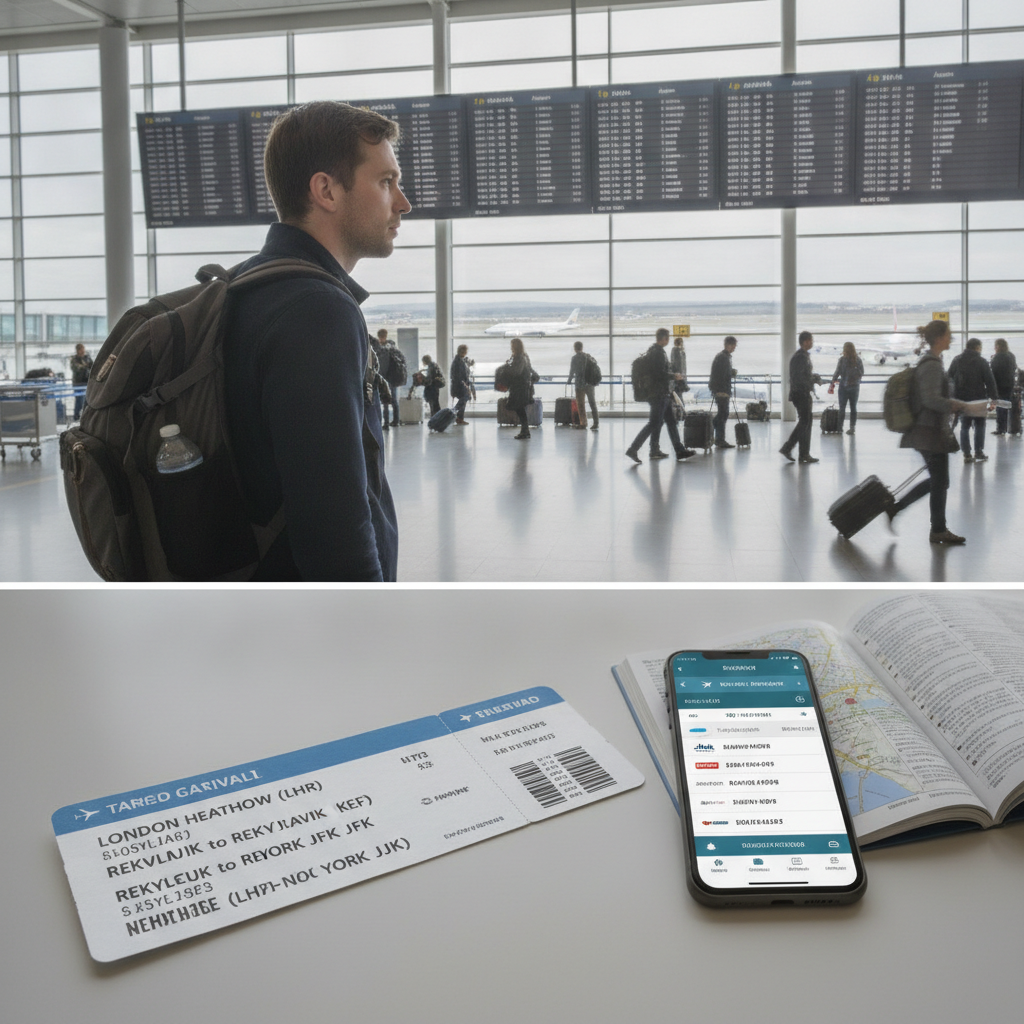
Airfare pricing has never made complete logical sense to the average traveler. You can sometimes fly from New York to Rome for less than a direct flight from New York to Chicago, and a single connection booked as two separate tickets can occasionally undercut a bundled itinerary by hundreds of dollars. That gap is real, and plenty of resourceful travelers have figured out how to use it to their advantage — but the strategy comes with genuine risks that are worth understanding before you commit.
Why the Price Gap Exists in the First Place
Airlines price routes based on demand, competition, and seat inventory — not on the actual distance you're flying. A heavily traveled route between two major hubs might be expensive simply because it's popular and capacity is limited. Meanwhile, two shorter or less-trafficked legs connecting the same origin and destination might have far more open seats, and airlines price those seats accordingly. When you piece together your own itinerary using those underpriced legs, you're essentially exploiting the way airline revenue management systems work. The savings can be substantial on certain routes, particularly transatlantic and transpacific trips.
The Real Risk: You Are Your Own Safety Net
When you book two separate tickets, the airlines have no obligation to each other. If your first flight is delayed and you miss the second, the carrier operating that second flight treats you as a no-show — and no-shows typically forfeit the ticket entirely. This is the biggest downside of the strategy, and it's not a rare edge case. Delays happen constantly, especially on domestic legs that feed into international connections. Before booking separate tickets, you need to accept that you are taking on all the rebooking risk yourself. Travel insurance that covers missed connections can soften that blow, and it's worth factoring the cost of a solid policy into your overall savings calculation.
Choosing the Right Layover Buffer
If you're going to try this approach, the layover time you build in is everything. With a single itinerary, airlines typically guarantee a minimum connection time and will rebook you if things go wrong. On split tickets, you're on your own, so longer buffers are your primary protection. A minimum of three hours for domestic connections is a reasonable starting point, and for international connections — especially those involving customs, immigration, or terminal changes — five or more hours is a much safer threshold. Airports like Chicago O'Hare (ORD) and London Heathrow are notoriously complex, and what looks like a generous layover can disappear quickly when a gate change or passport control line enters the picture.
Tools That Help You Find Mispriced Routes
Searching for split-ticket savings isn't as intuitive as running a standard fare search on Google Flights or Kayak, but it's not complicated once you know what you're looking for. Start by identifying your intended destination, then search for each leg independently and compare the combined cost against a direct or connected booking on a single ticket. Some travelers use apps like Kiwi.com, which actually specializes in stitching together multi-airline itineraries — though that platform adds its own missed-connection guarantee for a fee, which changes the risk calculus. Running searches with flexible date settings on each leg gives you the best chance of landing the optimal combination.
Airports Where This Strategy Works Better
Not every connecting airport is equally forgiving when you're managing your own layover. Smaller regional airports with fewer moving parts tend to be more reliable than massive international hubs. Amsterdam Schiphol, for instance, is compact and well-organized enough that a three-hour buffer feels genuinely comfortable. Dallas Fort Worth, on the other hand, spans multiple terminals across a large footprint and handles enormous daily traffic volume. Choosing a layover airport with a reputation for efficiency — and one that doesn't require clearing customs and rechecking bags unless you've built in enough time — dramatically improves the odds that your split-ticket strategy goes smoothly.
Baggage Logistics Deserve Serious Attention
Checked luggage and separate tickets don't mix well by default. When you book two tickets, your bags are only checked through to the first destination — meaning you'll need to collect them, clear customs if applicable, recheck them, and proceed to your next gate. That process takes time, and it needs to be reflected in your layover window. Some airports do have interline baggage agreements that allow bags to be checked through across different carriers, but these arrangements are inconsistent and can't be relied upon. Traveling with carry-on only whenever possible removes this variable entirely, which is one reason the split-ticket strategy tends to work better for lighter packers.
When the Savings Actually Justify the Hassle
Not every split-ticket scenario is worth pursuing. If the price difference between a bundled itinerary and two separate tickets amounts to forty dollars, the added complexity probably isn't worth it. The strategy becomes genuinely compelling when the gap is large enough — typically well over a hundred dollars — and when the logistics are manageable. Long-haul international routes where one leg involves a budget carrier like Norwegian or a regional low-cost operator tend to produce the most interesting pricing gaps. Domestic legs feeding into international departures are another reliable hunting ground, particularly when the domestic portion is operated by a carrier that doesn't partner with the international airline you're flying onward.
Protecting Yourself with the Right Travel Insurance
If you're going to book separate tickets, a travel insurance policy that explicitly covers missed connections is non-negotiable. Read the fine print carefully before purchasing — some policies only cover missed connections that result from covered delays of a specific minimum duration, and some exclude self-booked multi-ticket itineraries altogether. Look for policies that provide both trip interruption coverage and a reasonable daily allowance for unexpected overnight stays, since a missed connection in a foreign city can turn into an expensive situation fast. Companies like Allianz and World Nomads both offer policies with missed connection provisions, though terms vary by plan and destination.
Split-ticket booking is a legitimate tool for reducing airfare costs, and it works well for travelers who plan carefully and understand what they're taking on. The savings are real on the right routes, but so is the exposure when something goes wrong. Build in generous layovers, travel light when possible, insure the journey properly, and focus your efforts on routes where the price gap is large enough to make the extra planning worthwhile. Treat it as an informed choice rather than a shortcut, and it becomes a useful addition to how you approach booking travel.