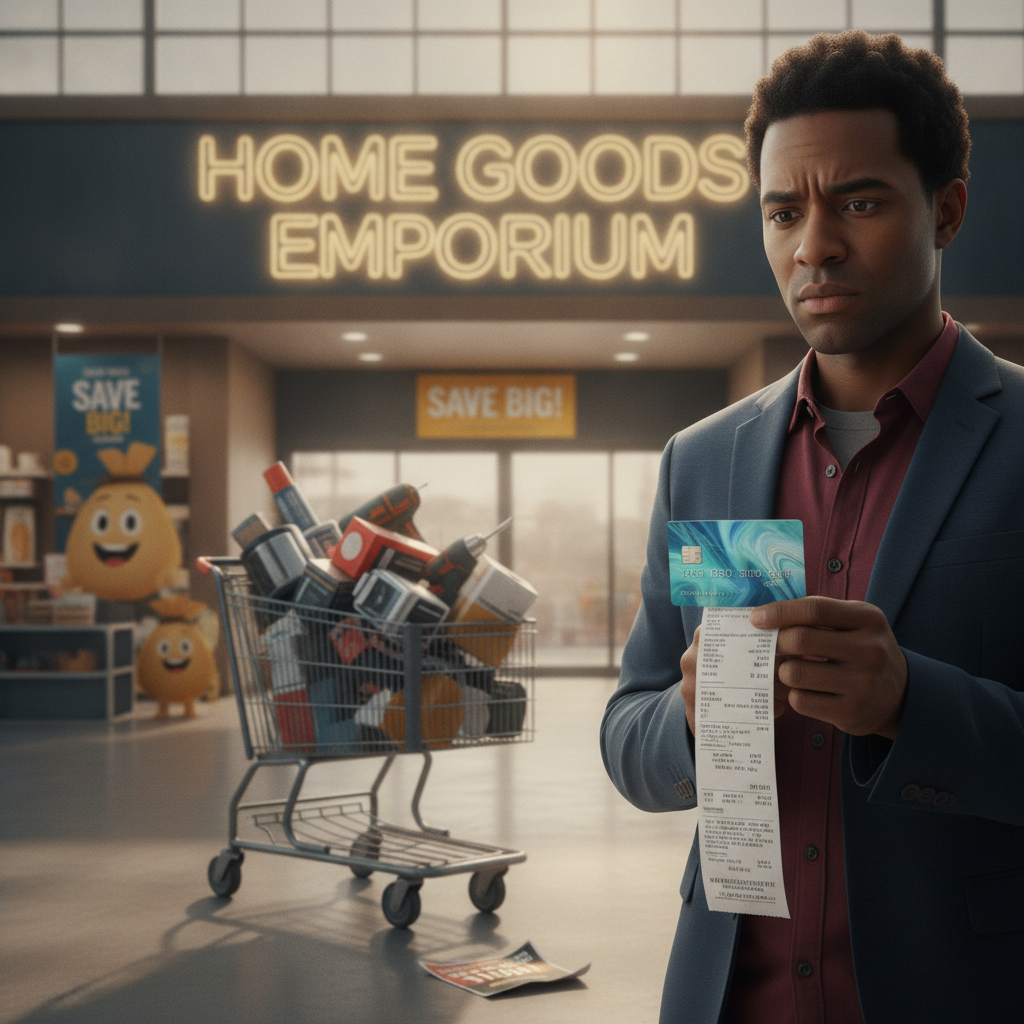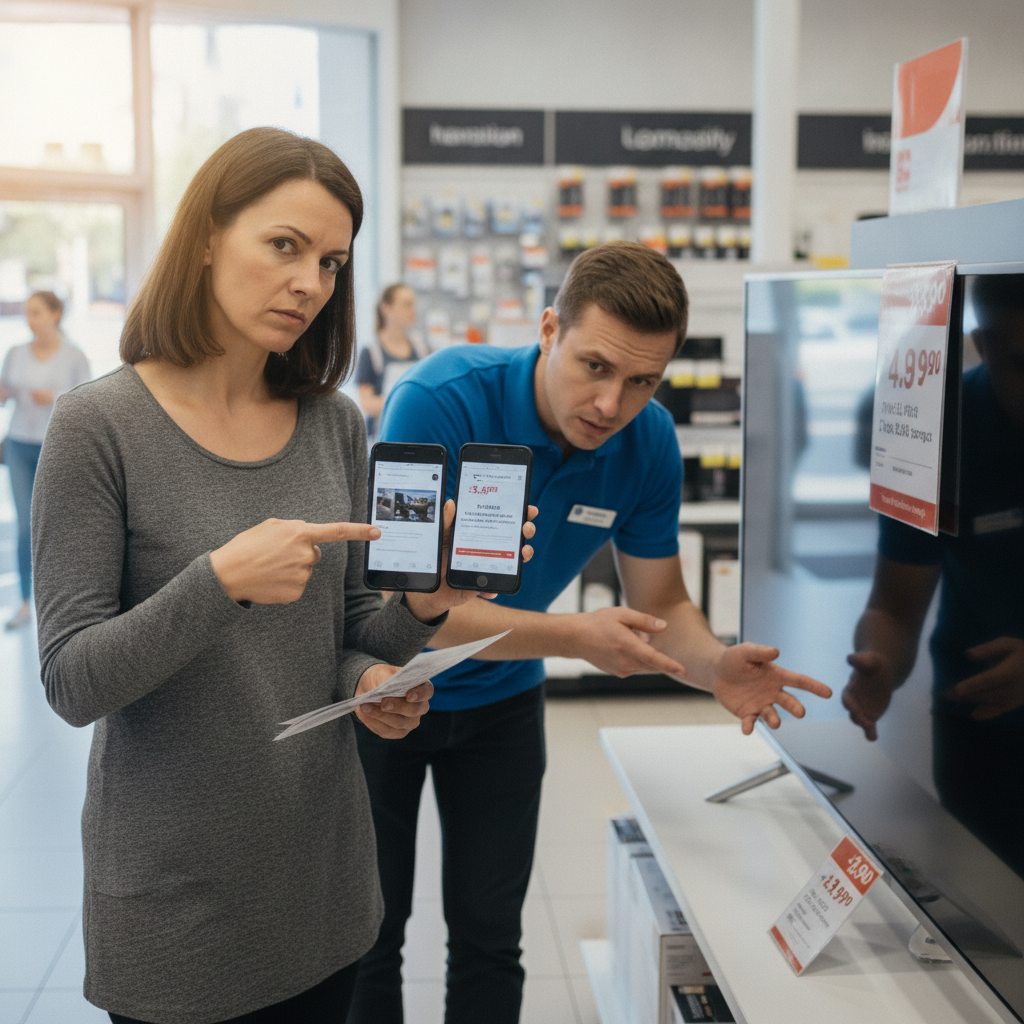
Price-match policies exist to keep customers from walking out the door, but the fine print often tells a different story than the marketing does. Retailers like Best Buy, Target, and Walmart have long advertised price-matching as a straightforward consumer benefit, yet shoppers regularly find that their requests are denied for reasons buried in terms they never read. Understanding how these policies are actually structured — and where they consistently fall short — helps consumers decide when it's worth pursuing a match and when it simply isn't.
What Does a Price-Match Policy Actually Promise?
At its core, a price-match policy is a retailer's commitment to meet a competitor's advertised price on an identical item. The operative word is *identical* — same brand, same model number, same configuration, same color. Most major retailers limit their matching to a defined list of approved competitors, which typically excludes third-party marketplace sellers on platforms like Amazon or eBay. The promise sounds simple, but the execution depends entirely on how narrowly the retailer defines eligibility, and that definition tends to narrow considerably once a customer is standing at the service desk.
Why the "Identical Item" Requirement Is Harder Than It Sounds
Retailers and manufacturers have developed a quiet but effective strategy for circumventing price-match claims: exclusive model numbers. A television sold at Costco may look functionally identical to one at Best Buy, but if the last three digits of the model number differ, most price-match policies won't apply. This practice is widespread across consumer electronics, appliances, and even mattresses. The result is that two items that are physically indistinguishable — same specs, same manufacturer, same performance — are treated as separate products under policy terms, giving the retailer a clean reason to decline the match.
How Time Windows and Timing Rules Create Obstacles
Most price-match policies operate within a limited window — commonly between seven and thirty days from the date of purchase. Some retailers, including Target, have extended these windows in recent years, but exceptions are common. Sale prices that appear only for a weekend, flash deals, and doorbuster promotions are almost universally excluded. This creates a catch-22: the most dramatically reduced prices that consumers most want matched are precisely the ones that fall outside eligibility. A shopper who purchases a laptop on Monday and finds it substantially cheaper elsewhere by Friday may still be turned away if the competing price is tied to a limited-time event.
Which Competitors Qualify and Which Are Left Off the List
Each retailer maintains its own approved competitor list, and the boundaries of that list matter enormously. Walmart generally matches other major brick-and-mortar retailers but has historically excluded warehouse clubs like Costco and Sam's Club. Best Buy matches a broader range of online competitors but excludes marketplace listings where the seller is a third party rather than the retailer itself. This distinction — between a retailer's own listed price and a third-party price on the same platform — catches many shoppers off guard. A price found on Amazon.com may qualify if Amazon itself is the seller but not if the listing comes from an independent merchant fulfilling through Amazon's platform.
The Documentation Requirements That Slow the Process Down
Even when a shopper qualifies under every other condition, the verification process can create friction. Retailers typically require proof of the competing price at the time of the match request, which means the lower price must still be active — not expired, not sold out, not part of a flash sale that has ended. Staff may check the competitor's website in real time, and if the product is listed as out of stock, the request is often denied on the grounds that the price isn't currently available to consumers. Having a screenshot ready may not be enough if the item can no longer actually be purchased at that price by an average customer.
What You Can Actually Do to Make Price-Matching Work
If you're planning to use a price-match policy, a little preparation goes a long way. Before purchasing, check whether the retailer's policy covers the specific competitor where you found the lower price — look for the approved list on the retailer's website, not just the general policy language. Confirm that the model numbers match exactly, including any suffix characters. Act quickly: request the match while the competing price is still live and the item is in stock. Keep a record of the date, the competitor's URL, and a screenshot showing both the price and the product details. If you're denied, ask to speak with a department manager rather than accepting the first refusal — many legitimate claims are approved on a second review.
Price-match policies are likely to become more automated in coming years, with retailers testing real-time price scanning tools that check competitor listings on the customer's behalf at checkout. While this could simplify the process, it may also allow retailers to build exclusion logic directly into the system, making denials faster and less visible. For now, the policies remain a genuine money-saving tool — but one that rewards preparation over assumption.