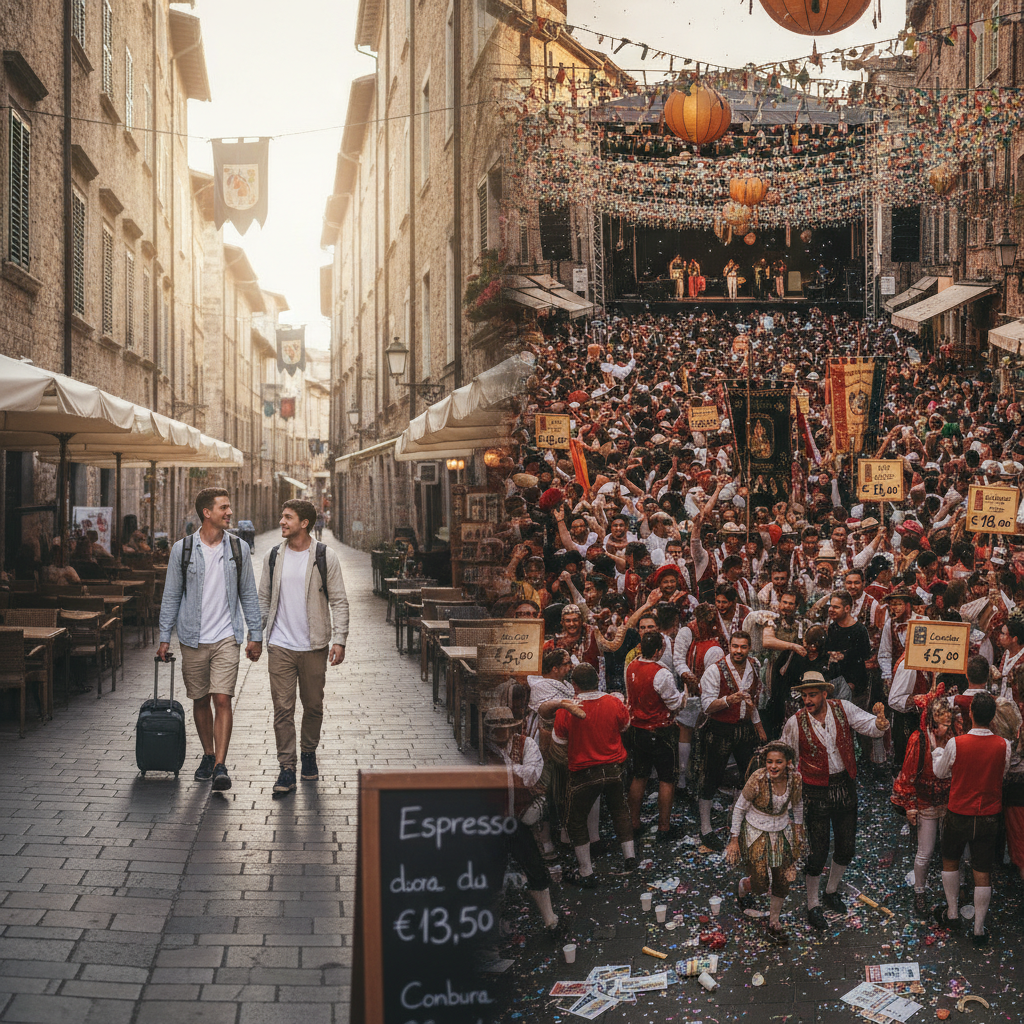
Familiarity is one of travel's most underrated teachers. Most people experience a destination once, form their impressions based on a single snapshot in time, and move on — never knowing whether the prices they paid were seasonal anomalies, whether the crowds they encountered were typical, or whether the hotel that felt like a bargain was simply catching them during a quiet billing period. Travelers who return to the same place in back-to-back years, however, begin to see through the surface and notice patterns that a single visit could never reveal.
When the Same Room Costs Something Different
One of the first things repeat visitors notice is the variability in accommodation pricing — even for the identical property, room type, and approximate travel window. A beachfront guesthouse in the Algarve that quoted one rate in early June one year may price the same room noticeably higher or lower the following June, depending on local demand shifts, platform algorithm changes, or even currency fluctuations. Booking through the same channel two years in a row makes this comparison almost direct. What looked like a fair price on the first visit starts to look like either a lucky catch or a mild overpayment once a second data point exists.
How Crowds Follow Patterns That Single Visits Disguise
A traveler who visits Dubrovnik in mid-July once and finds the Old Town nearly impassable with tourists might reasonably conclude that this is simply how it is. A traveler who returns the following mid-July, however, begins to understand that the volume of cruise ships docked on any given day is the real variable — and that days without ships in port offer a dramatically different experience. This kind of insight is invisible from a single trip. Repeat visitors to places like Kyoto, Cinque Terre, or the Amalfi Coast start to recognize that crowd levels aren't uniformly high or low throughout the season; they spike and ease in ways tied to specific logistical patterns rather than just calendar dates.
The Restaurant and Market Price Drift That Nobody Mentions
Food costs at popular destinations have a tendency to drift upward year over year in ways that don't always track broader inflation. A seafront café in Lisbon's Alfama district that charged one price for a standard lunch menu in one summer may quietly restructure its pricing the following year — adjusting portions, rotating daily specials, or adding a service charge that wasn't previously listed. Repeat visitors notice this immediately because they remember what they paid. First-time visitors have no baseline and simply accept the menu as it stands. Over two consecutive visits, the cumulative difference in daily food spending can represent a meaningful shift in the overall trip budget without any single charge feeling obviously inflated.
Transportation Costs and Local Infrastructure Changes
Getting around a destination can change substantially from one year to the next in ways that affect both cost and convenience. New bus routes open, ferry schedules get restructured, ride-share availability expands or contracts, and tourist-specific transport passes get repriced. A visitor to the Greek islands who relied on a particular ferry connection one summer may return the following year to find that the schedule has changed, forcing a different routing that costs more time or money. Travelers who've been once tend to assume these logistics will remain stable; those who've been twice understand that local infrastructure is a moving target and plan their return with more flexibility built in.
Entry Fees, Attraction Pricing, and the Quiet Premium Economy
Museums, historical sites, and managed natural areas in popular tourist corridors have increasingly adopted dynamic or tiered pricing structures. The Uffizi Gallery in Florence, for instance, has adjusted its ticketing and reservation systems multiple times in recent years. A visitor who purchased entry on the first trip and assumes the same process applies a year later may arrive to find new booking requirements, higher base prices, or timed-entry slots that didn't previously exist. These changes often go unannounced in the general travel press but become obvious to anyone comparing their experience across two consecutive visits. The broader lesson is that attraction costs are no longer stable and can no longer be assumed from past experience.
How to Use This Knowledge Before Your Next Trip
If you're planning a return visit — or even your first trip to a destination you expect to revisit — there are several practical steps worth taking. Keep a simple record during your first visit: note what you paid for accommodation, what meals actually cost, what transportation ran you, and what the entry fees were for any major sites. Screenshot confirmation emails rather than deleting them. When you return, compare these figures early in the planning process rather than assuming last year's budget still applies. Use apps like Google Flights or Hopper to track whether airfare to that destination has shifted meaningfully, and check accommodation platforms like Booking.com directly rather than assuming loyalty pricing is automatically competitive. If you're returning to a place like Porto or Tbilisi that has seen significant tourist growth, budget at least ten to fifteen percent above your prior trip's daily spend as a baseline assumption, not a worst case. Finally, consider building in one or two nights in a different neighborhood than before — what felt quiet and affordable last time may have changed considerably as short-term rental density shifts in urban areas.
Travel has a way of rewarding attention, and nowhere is that more evident than in the experience of returning somewhere with genuine memory of what it was like before. The traveler who goes back isn't simply reliving a good trip — they're gathering information that reshapes how they understand cost, crowd, and value in a way that no guidebook or review aggregate can replicate. That accumulated knowledge, applied honestly, is one of the more practical tools anyone can carry into a planning conversation.