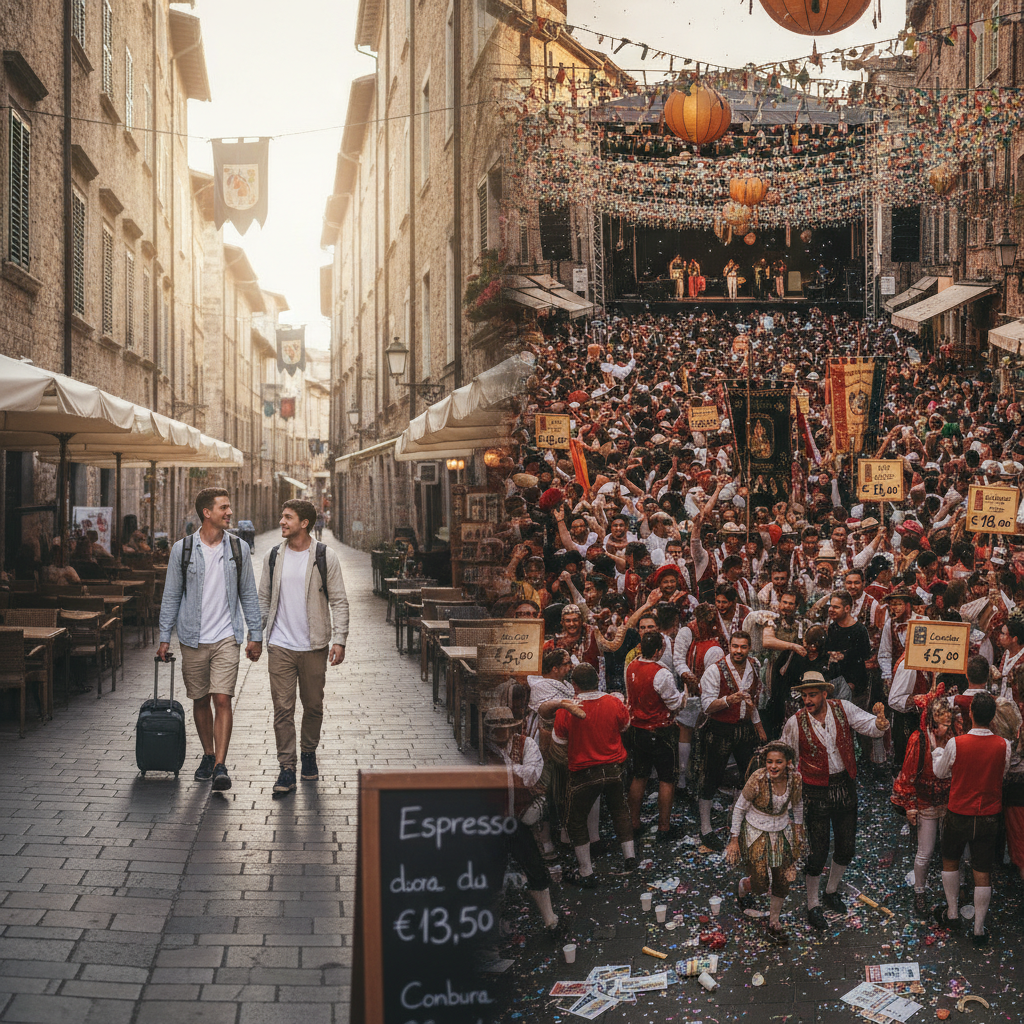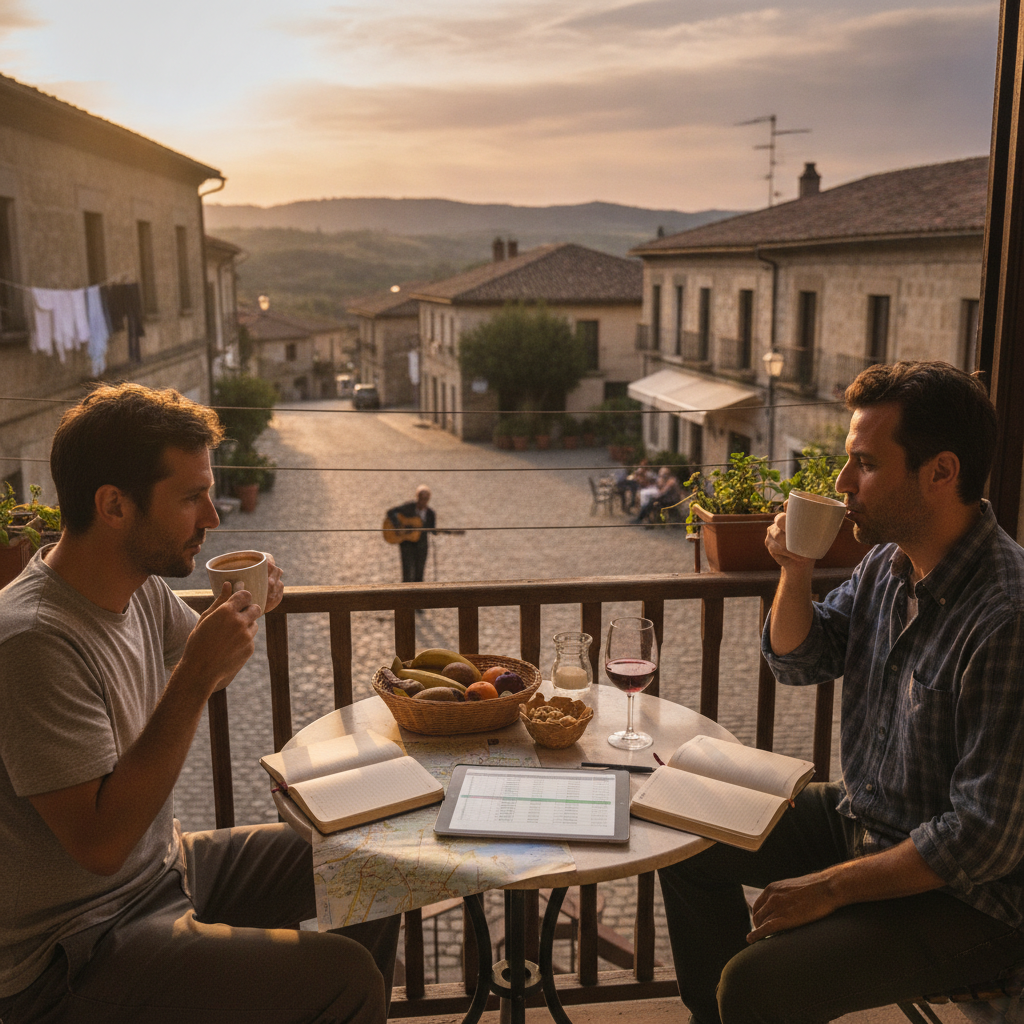
There is a quiet revolution happening in the way people think about travel — one that measures time in weeks rather than days, and value in depth rather than distance covered. Slow travel, the practice of settling into a destination for an extended period rather than rushing through a highlight reel of sights, has moved from a niche philosophy into a genuine alternative for people who want more from their journeys. But beneath its romantic appeal lies a set of financial realities that are rarely examined with honesty. The comparison between slow travel and the traditional vacation model is more nuanced than most enthusiasts admit, and understanding the true cost of each approach is essential before anyone rearranges their life around either one.
What Does Slow Travel Actually Mean in Practice?
The term *dolce far niente* — the Italian phrase for "the sweetness of doing nothing" — captures something essential about the slow travel ethos. It is not laziness so much as intentionality, a deliberate rejection of the itinerary-driven, check-the-box model that dominates most holiday culture. In practice, slow travelers tend to rent apartments rather than book hotels, shop at local markets rather than dining out for every meal, and spend weeks or even months in a single city or region rather than hopping between countries. Platforms like Airbnb and Booking.com have made this more accessible, offering monthly rates that are often substantially lower than their nightly equivalents. The lifestyle has its own vocabulary: *woofing* (working on farms in exchange for accommodation), *housesitting* through networks like TrustedHousesitters, and *geoarbitrage*, the practice of spending money earned in a strong currency within a lower cost-of-living country. Understanding these mechanisms matters because they are central to how slow travel's financial case is made — and occasionally overstated.
How the Numbers Compare When You Look Closely
The conventional argument runs something like this: a two-week traditional vacation to, say, the Amalfi Coast or Lisbon involves peak-season flight prices, hotel rates billed per night at a premium, and the relentless spending that comes with being a tourist in a hurry. Slow travel, the argument continues, eliminates the flight frequency, replaces hotels with cheaper long-term rentals, and reduces dining costs by cooking at home. On paper, this arithmetic is compelling and often accurate. A traveler who spends six weeks in Porto, renting a furnished apartment in the Bonfim neighborhood, cooking Portuguese staples from the Mercado do Bolhão, and walking or using transit rather than booking tours, can live reasonably well for a monthly cost that rivals or beats a single week in a mid-range hotel elsewhere. The savings on accommodation alone can be dramatic, since monthly rental rates in cities across Southern Europe, Southeast Asia, and Latin America tend to drop significantly compared to nightly figures.
However, the financial picture changes considerably depending on a few variables that slow travel advocates tend to underemphasize. Lost income is the most significant. Traditional vacations are typically taken as paid time off; slow travel, unless one works remotely, represents weeks or months without earnings. For anyone who is self-employed or takes unpaid leave, the cost of slow travel must include the opportunity cost of that absent income — a figure that can dwarf any savings on accommodation or airfare. Additionally, slow travel is not universally cheap. Spending three months in Tokyo or Zürich, even with a long-term rental, will cost considerably more than a rushed ten-day itinerary through cheaper destinations. The destination, not the philosophy, often determines the outcome.
The Hidden Costs That Rarely Make the Brochure
Beyond accommodation and flights, both travel models carry embedded costs that deserve careful attention. Traditional vacations come loaded with what might be called *tourist premium* — the systematic markup applied to everything from airport transfers to restaurant meals in heavily trafficked areas. A café near the Colosseum in Rome charges differently than one three streets away, and most short-term visitors lack both the time and the local knowledge to avoid these traps consistently. Slow travelers, by contrast, tend to absorb local pricing norms within the first week or two, which produces genuine savings over time. They learn which bakery charges half the price for the same loaf, which transit pass offers the best weekly value, and when the market discounts produce at the end of the day.
Slow travel, though, introduces its own category of hidden expense. Health insurance is one of the most significant. Domestic health coverage often lapses or becomes inadequate when traveling internationally for extended periods, requiring dedicated travel health plans or international coverage through providers that vary widely in cost and reliability. Visa costs and logistics represent another layer — extended stays in the European Union's Schengen Area, for example, are technically limited to 90 days for non-EU citizens, requiring careful planning or additional fees for longer-stay visas. Storage costs at home, ongoing rent or mortgage payments on a primary residence left behind, and the administrative complexity of managing finances across multiple currencies all add friction and cost that shorter trips simply do not generate.
When Traditional Vacations Offer Better Value
For travelers with limited time, high earning potential, and a genuine desire to see multiple destinations efficiently, the traditional vacation model remains not just viable but often superior from a pure financial standpoint. A ten-day trip through three Scandinavian capitals, while expensive in absolute terms, may represent the only realistic way to experience those places given professional and family constraints. The cost per experience — a metric rarely applied in these comparisons — can actually favor the intensive itinerary when time is the binding constraint. Booking off-season travel to cities like Prague, Seville, or Krakow, as explored in discussions of shoulder season pricing across European destinations, can reduce costs substantially without requiring a full lifestyle restructuring. The key insight is that value in travel is never purely a function of duration; it is a function of alignment between what a trip costs and what it actually delivers to the specific person taking it.
How to Make an Honest Comparison for Your Own Situation
For anyone genuinely weighing these two approaches, the most useful exercise is a full-cost accounting that includes the categories most travel content ignores. On the slow travel side, this means calculating not just rent and groceries but lost income, ongoing home costs, visa and insurance requirements, and the practical cost of setting up a functional life in a new place. On the traditional vacation side, it means including peak-season flight premiums, hotel rates, the tourist markup embedded in every meal and activity, and the psychological cost of returning to daily life feeling underrested rather than restored. Some people discover that a carefully planned two-week trip to a destination like Oaxaca or Thessaloniki, booked thoughtfully and off-peak, gives them more genuine recovery and cultural richness than three months of slow travel undertaken without financial preparation. Others find the opposite — that the slow rhythm changes how they engage with a place entirely, and that the financial trade-offs are worth every calculation.
The honest answer is that neither model is categorically cheaper or better. Slow travel offers genuine financial advantages for remote workers, retirees, or anyone without a fixed home base who can embrace the lifestyle fully. Traditional vacations remain the more practical and sometimes more economical choice for those whose lives do not permit extended absence. What matters most is entering either arrangement with clear eyes about what it truly costs — not just in money, but in time, flexibility, and the life quietly continuing at home. The revolution in how people travel is real, but like every revolution, it is best served by understanding its terms before committing to its promises.